
China-Brazil trade relations: towards a new path for sustainable cooperation
China and Brazil have entered a new phase of bilateral cooperation in which trade, food security, climate resilience, and environmental sustainability are increasingly interconnected. Brazil has consolidated its position as China’s leading agricultural supplier,...
CO2-driven cation leaching after tropical forest clearing
The objective of this study was to investigate the role of dissolved CO2 (H2CO3*) as a mechanism of cation removal from surface soils under secondary land uses in the tropics.

Amazônia e o desafio do desenvolvimento sustentável
O artigo, publicado no Jornal Cidadania, fala que a Amazônia representa a última chance de se pôr em prática um desenvolvimento capaz de conciliar crescimento socioeconômico com a conservação dos recursos naturais. Está, portanto, nas mãos do povo da região e do governo a oportunidade de se promover o desenvolvimento sustentável.
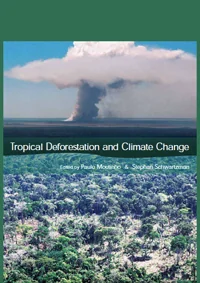
Tropical Deforestation and Climate Change
Esse livro representa o esforço de um grupo de colaboradores que acredita que reduzir as emissões de gases de efeito estufa produzidos pelo desmatamento e por incêndios florestais, dentro dos parâmetros da UNFCCC, é uma urgente necessidade.
Roads, conservation and governance: lessons from the BR-163 regional planning process
This paper describes the main socioeconomic groups involved in the BR-163 paving debate, as well as, documents the steps that were taken to design the regional planning process for building this major Amazon road corridor.
Estudo de caso – a rodovia BR-163 e o desafio da sustentabilidade
Estudo sobre os impactos da pavimentação dos 993 quilômetros da rodovia BR-163 que atravessam o sudoeste paraense desponta como uma das principais e mais comentadas obras de infraestrutura da atualidade brasileira.

A pavimentação da BR-163 e os desafios à sustentabilidade: uma análise econômica, social e ambiental
Esta publicação tem o objetivo de contribuir com o conceito de uma nova abordagem na construção de rodovias em áreas sensível, como a BR-163, que liga Cuiabá (Mato Grosso) a Santarém (Pará).