
Relatórios de Atividade IPAM – 2025
IPAM, uma instituição com 30 anos de existência, sempre se renovando, olhando para um futuro sustentável e justo para o Brasil. Cuidando também do clima global, da proteção das florestas, ajudando a desenvolver uma agricultura sustentável e construindo ferramentas...

Assessment of differences between two vegetation physiognomies, including the variation among strata, provides insights on biodiversity conservation of “Cerrado”
A number of studies have focused on the species composition and diversity of the woody vegetation of the “Cerrado”, but few comparative data are available on the flora or the structure of different physiognomies and vegetation strata, precluding more general...
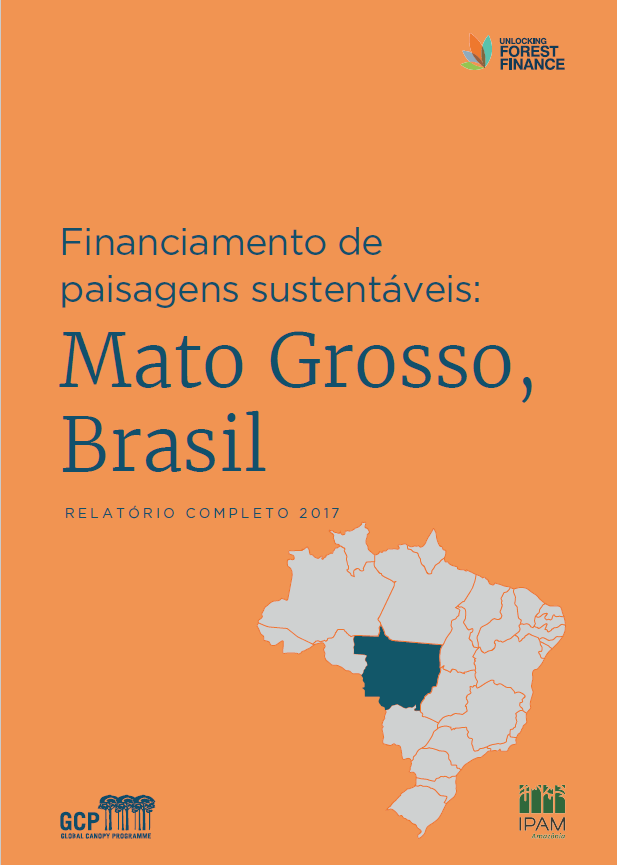
Relatório “Financiamento de paisagens sustentáveis em MT”
Relatório analisa a viabilidade econômica para o investimento nas principais cadeias produtivas e atividades de conservação.
Relatório "Financiamento de paisagens sustentáveis em MT"
Relatório analisa a viabilidade econômica para o investimento nas principais cadeias produtivas e atividades de conservação.
Sumário executivo: “Financiamento de paisagens sustentáveis em MT”
Sumário executivo analisa a viabilidade econômica para o investimento nas principais cadeias produtivas e atividades de conservação.
Sumário executivo: "Financiamento de paisagens sustentáveis em MT"
Sumário executivo analisa a viabilidade econômica para o investimento nas principais cadeias produtivas e atividades de conservação.
Post-fire resprouting strategies of woody vegetation in the Brazilian savanna
Post-fire response by vegetation may reflect the severity of the damage suffered, but we still know little about the species-specific nature of responses to fire or their predictors. Here, we evaluated 26 woody species before and after a fire event in an Cerrado...