By Suellen Padilha*
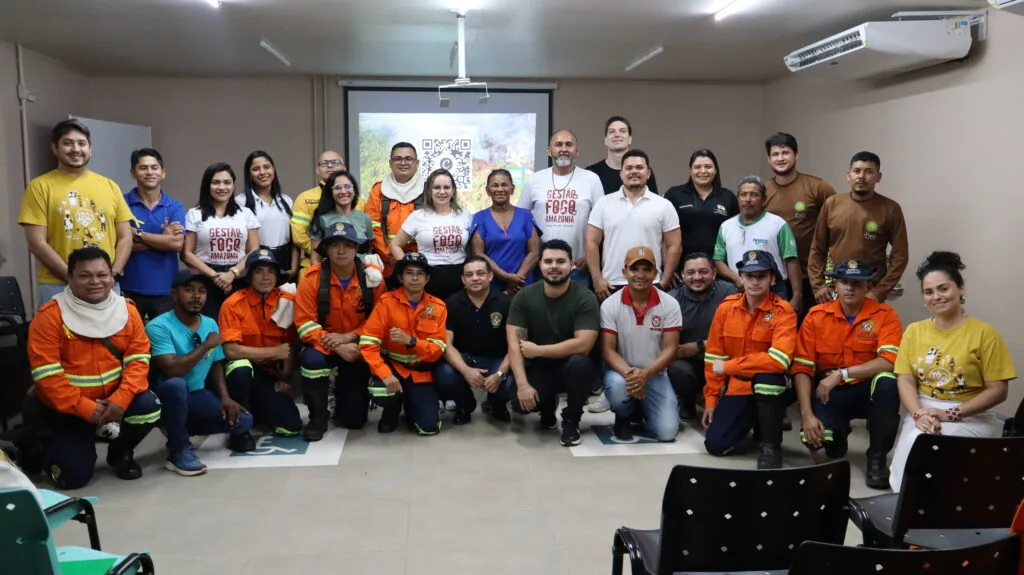
To support fire prevention and management practices in family farming, IPAM (Amazon Environmental Research Institute), in partnership with SEMAS (State Secretariat for the Environment, Climate, and Sustainability) and SEAF (State Secretariat for Family Farming), held the workshop “Integrated Fire Management in Family Farming” from August 10 to September 3 in four municipalities in Pará: Anapu, Uruará, Santarém, and Tomé-Açu.
Suellen Padilha/IPAM
The initiative facilitated the exchange of experiences regarding prevention and adaptation strategies tailored to the realities of family farming in each region. In total, approximately 21 municipalities were included, with the participation of more than 214 people, including technicians, managers, and decision-makers from municipal departments of the environment and family farming. To this end, theoretical content was combined with practical activities.
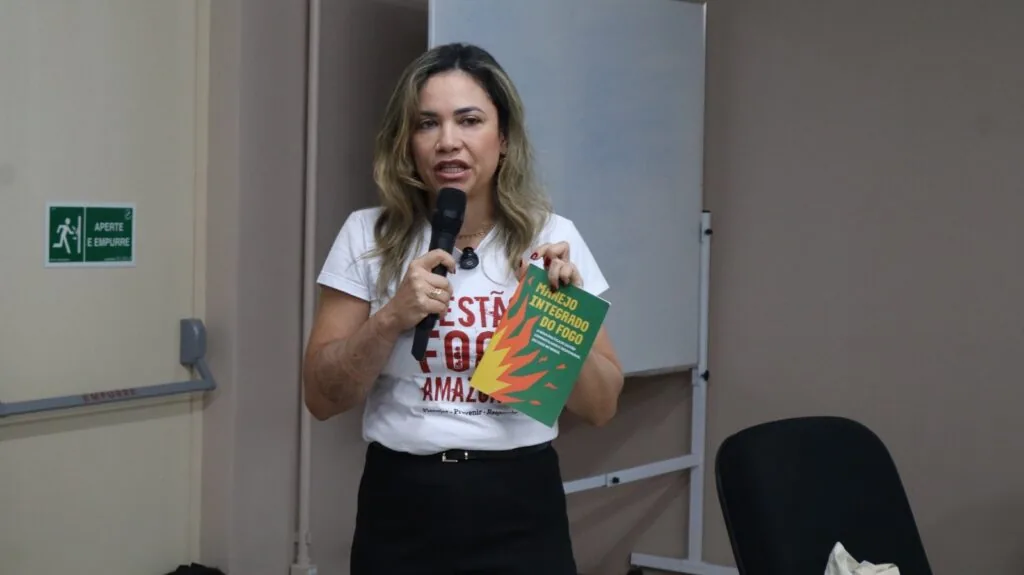
The discussion was based on the booklets “Integrated Fire Management: A Path to Living with Fire” and and“Is Living with Fire Possible?”, which outline strategies for planned fire management and demonstrate how this approach can help reduce environmental and social risks.
Suellen Padilha/IPAM
“We are addressing public policies for reducing forest fire risks, as well as alternatives for fire control and use. In the workshops, we provide the full context regarding fire dynamics in each region over the years—particularly in light of climate change and the El Niño phenomenon—and how the population, especially family farmers, can prepare for this high-risk season. Integrated actions among the federal, state, and municipal governments reduce degradation, economic and production losses, and the impacts of periods of extreme drought, heat waves, and climate change,” explained Jarlene Gomes, a public policy researcher at IPAM.
Fire and the National Landscape
During the workshop, participants discussed how fire relates to different environments and how its characteristics can influence biodiversity and ecosystem functioning. The extent of the affected area, frequency, intensity, severity, and seasonality are among the factors that help us understand the so-called “fire regime.”
The discussions also addressed the relationship between various pressures on the forest (such as deforestation, illegal logging, mining, infrastructure development, and land speculation) and the occurrence of fires.
Integrated Fire Management Workshop in Tomé-Açu
On the first day, the program covered the current climate change landscape, concepts and principles of Integrated Fire Management (IFM), burning permits, agricultural planning for dry seasons, preventive measures, and monitoring and early-warning systems. Sustainable alternatives to the use of fire were also presented, such as soil and water conservation, restoration of degraded areas, and agroforestry systems.
Suellen Padilha/IPAM
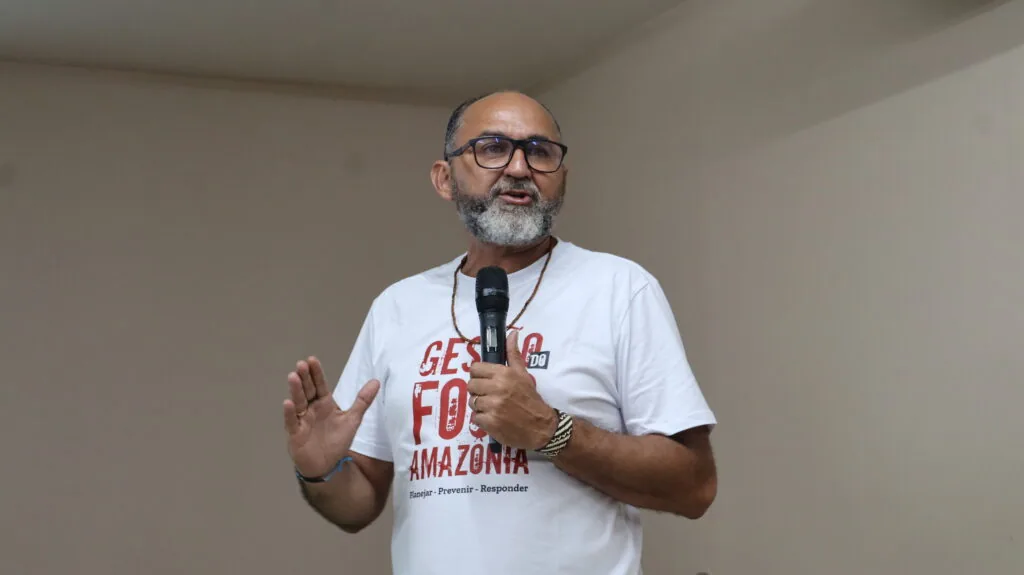
“The workshop provides an opportunity to reflect on strategies for controlling accidental fires using techniques adapted to the realities of family farming, as well as to consider more resilient production systems. In Tomé-Açu, for example, agroforestry systems (SAFs) serve as a model for production that moves away from the use of fire, demonstrating that, throughout the establishment, operation, and management of these areas, families can adopt other forms of soil management and reduce the risk of fires,” said Edivan Carvalho, researcher and IPAM’s state coordinator in Pará.
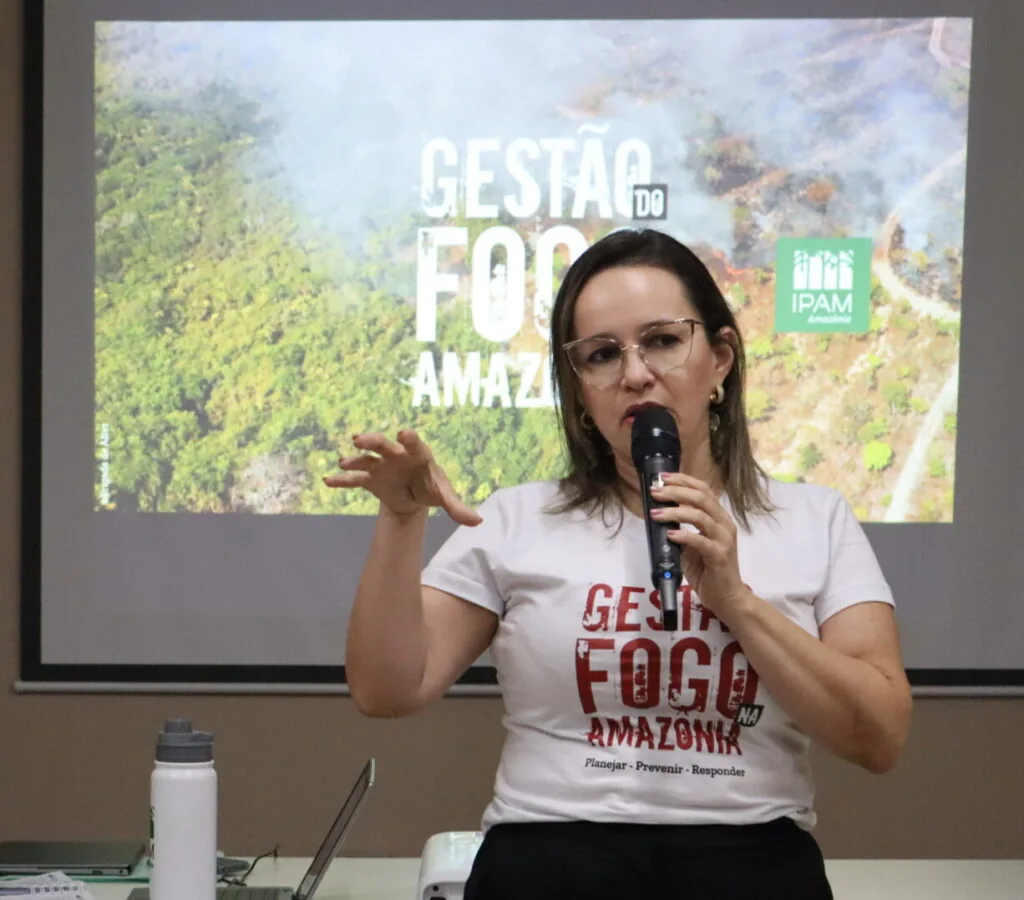
The closing session of the workshop was dedicated to developing the PMIFMs (Integrated Municipal Fire and Management Plans). To this end, participants identified priority risks and possible local institutional arrangements.
Suellen Padilha/IPAM
“This year, we held a major workshop in Belém to discuss strategies for national policy and our state program within the framework of the integrated fire management agenda. These workshops, which we are conducting in several priority municipalities, are a direct result of that,” said Diana Castro of SEMAS-PA.
The impacts of fire also extend to ecosystems, altering vegetation composition, fauna, and inter-species relationships, in addition to contributing to soil erosion and changes in water infiltration. Larger fires can also fragment habitats and hinder the movement and dispersal of species.
Suellen Padilha/IPAM
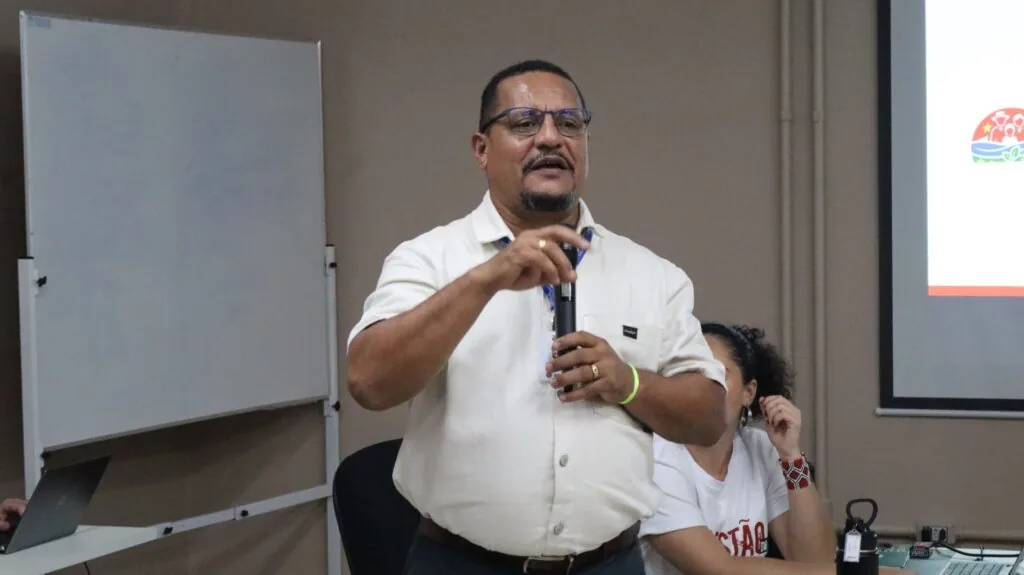
“Climate change, especially extreme weather events, is a very pressing issue for family farming because the impact is extremely high—not only in terms of production but also economically and socially. That is why we need to share and generate knowledge together to develop a differentiated approach to fire. We need to work in a sustainable, managed, and organized manner, knowing how to use this tool sustainably,” said Cristiano Martins of SEAF-PA.
Forest fire brigade in action
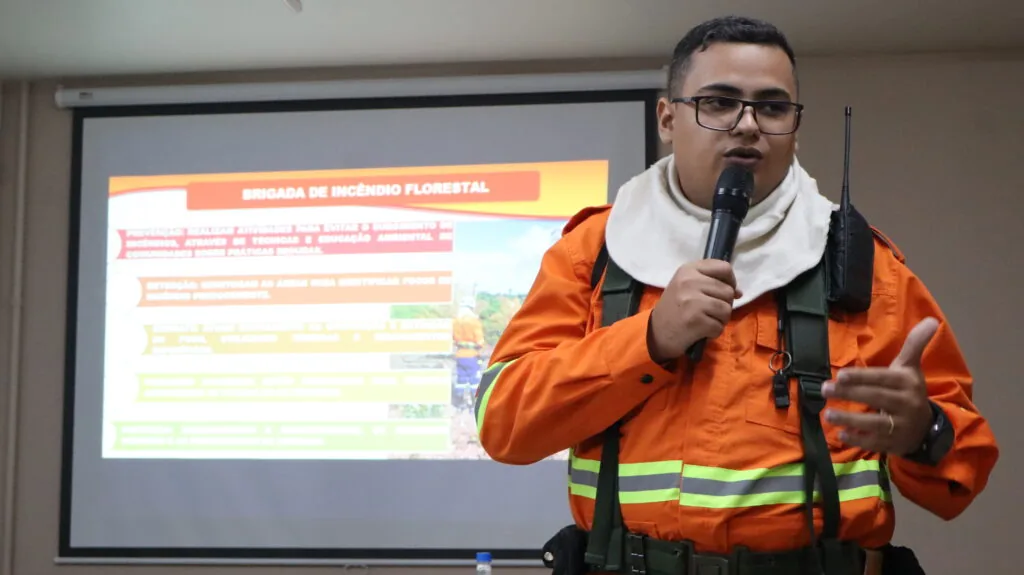
The firefighters’ work involves various stages, ranging from prevention and community outreach to fire detection and suppression. During the workshop, it was emphasized that their work includes constant monitoring of the areas, supported by satellite detection systems and an integrated situation room, which allows them to identify hotspots and direct teams to investigate incidents. Their work prioritizes prevention but also addresses the need for a response when a fire gets out of control, always with the support of local communities and landowners.
Suellen Padilha/IPAM
“Our role is preventive. We constantly monitor and survey the areas to identify fire hotspots early and understand what is happening—whether it is a fire that has gotten out of control, a subsistence farm, or an authorized burn. When the situation gets out of control, firefighting begins, but the firefighter doesn’t do it all alone. We need the support of landowners, the community, and local leaders, because everyone is responsible for their environment and must actively participate, following safety requirements,” concluded Marcelo Ferreira, a firefighter from Tomé-Açu.
Controlled burning was presented as a practice that requires planning, an assessment of terrain conditions, vegetation, and meteorological factors, as well as the implementation of safety measures.
IPAM* Communications Analyst
Suellen.nunes@ipam.org.br