
Stay
in
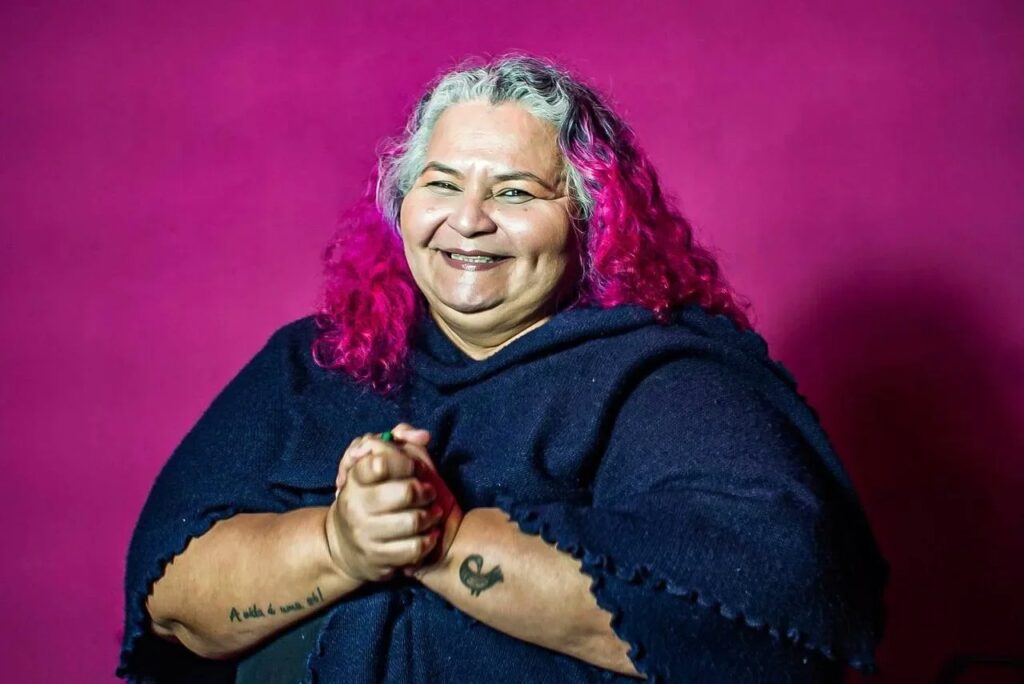
Storyteller: “Nature speaks to those who listen”, says Karla Martins
In the newsletter Um Grau e Meio, Karla Martins, an actress and environmental activist from Acre, comments on the role of storytelling in conservation.
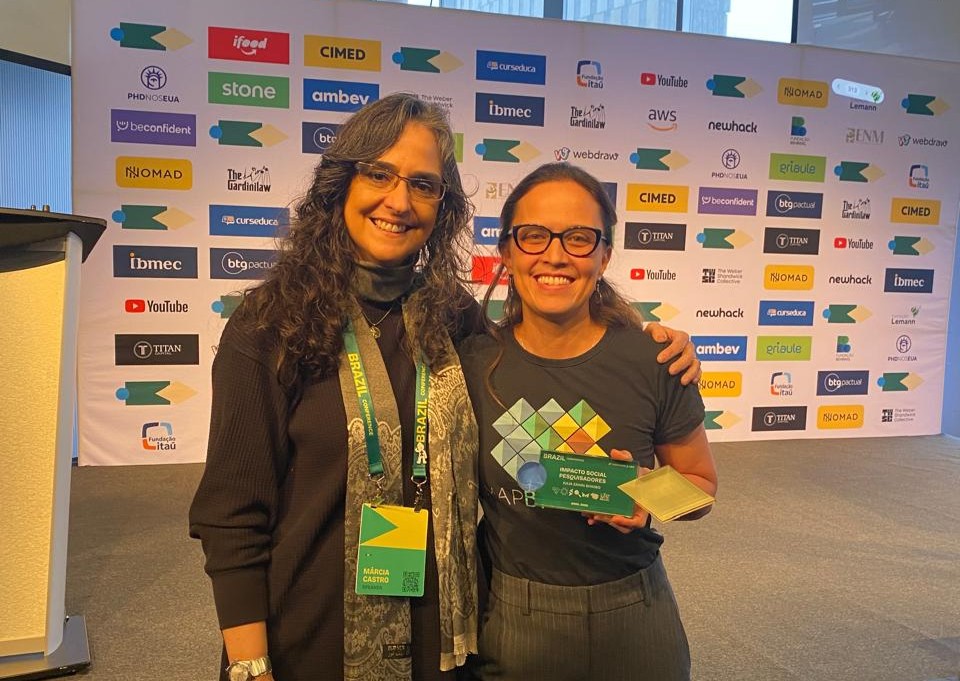
IPAM researcher awarded for impact on environmental science
Ecologist Julia Shimbo was recognized in the Social Impact category of Brazil Conference 2025 for her work in open science and environmental monitoring using artificial intelligence.
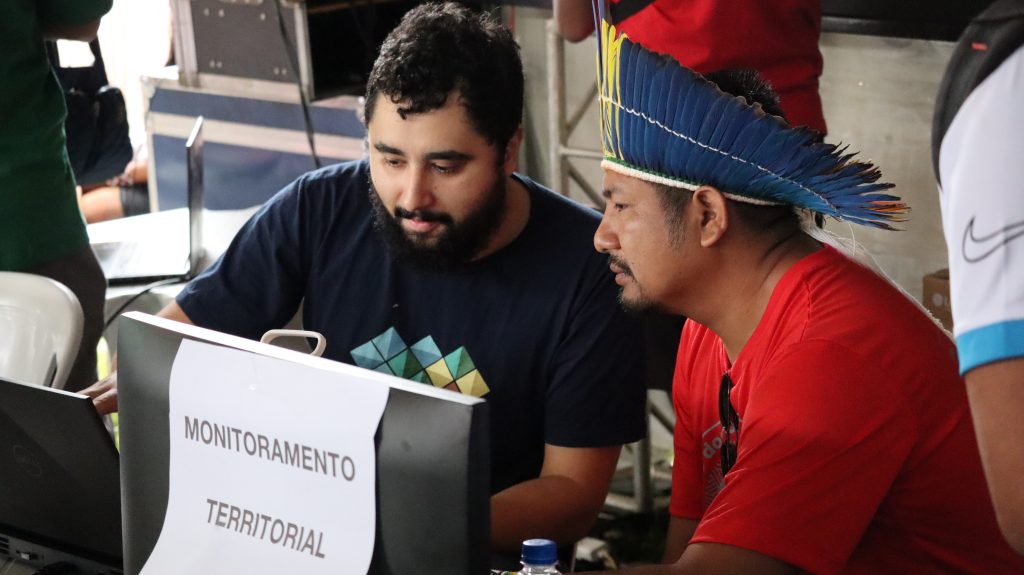
IPAM shares territorial monitoring techniques at 21st ATL
IPAM took part in the event, presenting territorial monitoring strategies such as SOMAI, ACI and the MapBiomas platform.
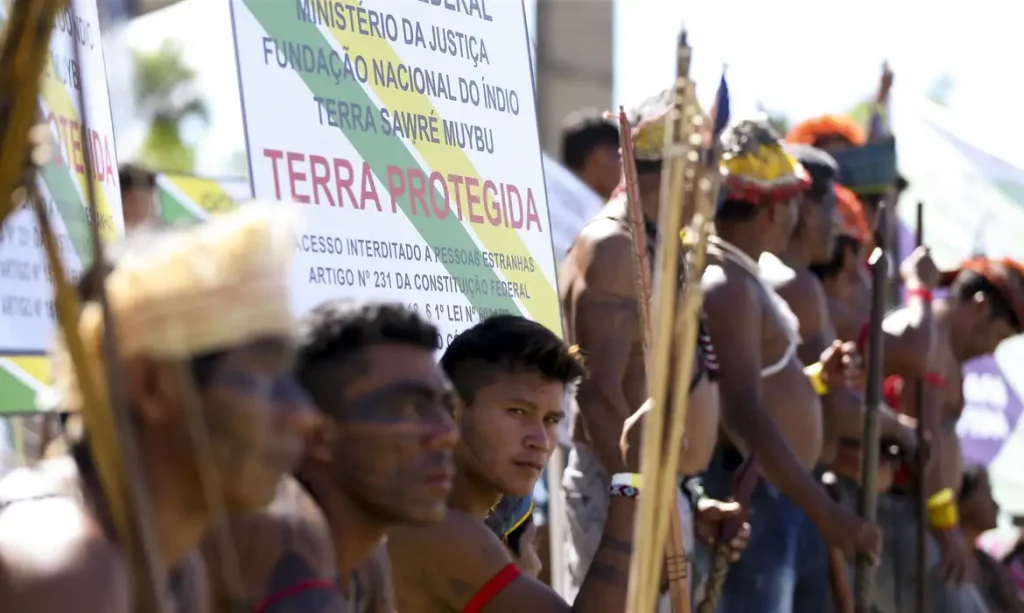
Paying for climate adaptation is cheaper than ignoring it, warns policy brief
Protecting the Amazon and its peoples is the greatest opportunity to adapt to climate change globally and can guarantee Brazil's socio-economic security.
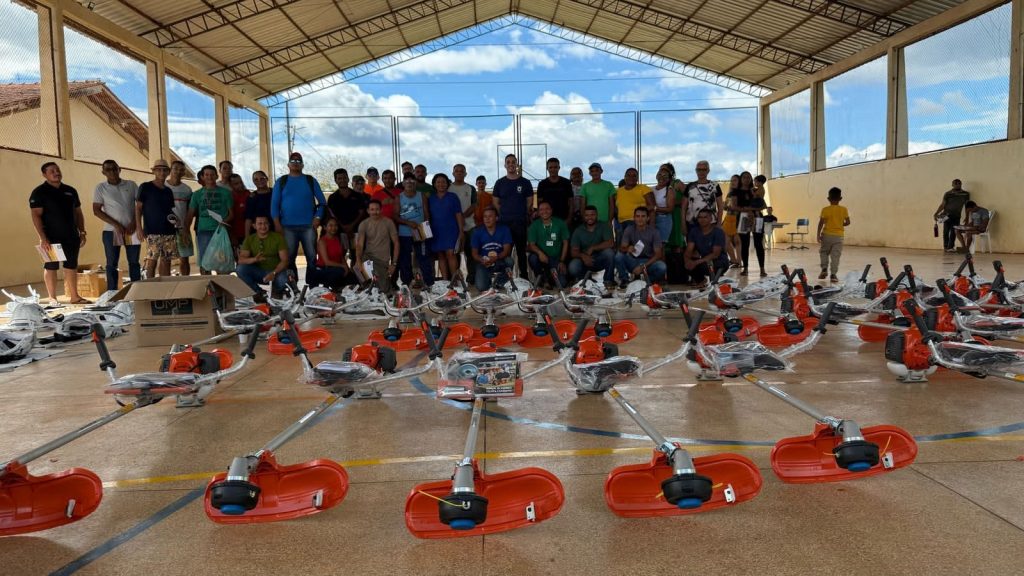
97 extractivist families will receive support for productive restoration in Amapá
This week, 35 brushcutters were delivered along with PPE. The beneficiary families were instructed in the safety, use and maintenance of the equipment.
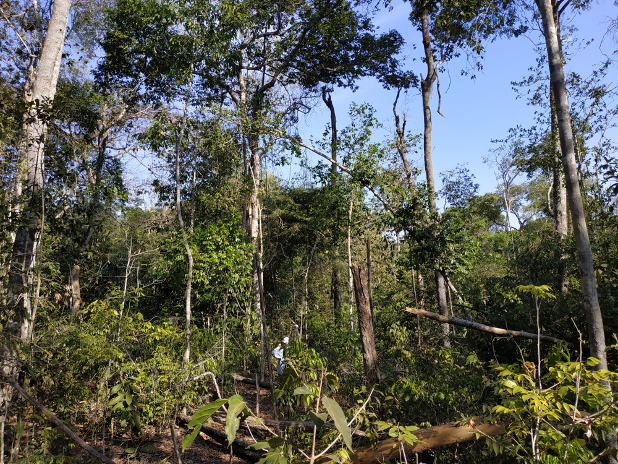
Soil loses more carbon to monoculture than to fire
Regenerative agriculture practices help reduce carbon loss in monocultures; the stock is associated with soil health and fertility, according to a study carried out in collaboration with IPAM
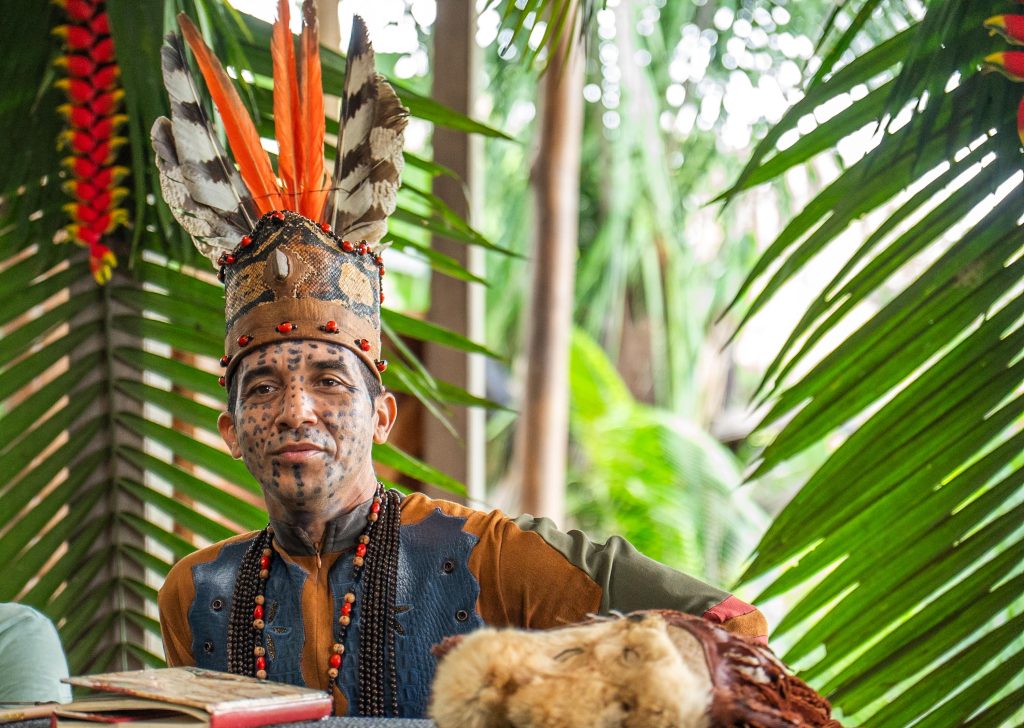
Haru Kuntanawa: son of a surviving people demanding reparations
Singer, guardian of the forest and ambassador of the Brazilian indigenous team, Haru travels the world, fights for territory and develops socio-environmental projects to recover the memory and culture of the Kuntanawa people.