Português
IPAM will be 30 years old in 2025 and has participated in the conference since its first edition, supporting climate discussions and negotiations through scientific production.
It also reinforces the role of conserving native vegetation as one of the main solutions for mitigating the impacts of climate change.

Ipam Agenda at COP 30
Day 10
The Global South reshaping climate multilateralism: nature, food security and just transitions
18h30 às 20h00
Blue Zone (Side Event 2)
Day 11
Strategy 2050
13h45 às 16h00
Strategy 2050
Day 12
Forests, agriculture and the green economy in the Global South
09h00 às 17h00
Casa Balaio
Iniciativa de Paisagem Sustentável do Oeste de Mato Grosso (Pacto PCI do Oeste de MT)
To be confirmed
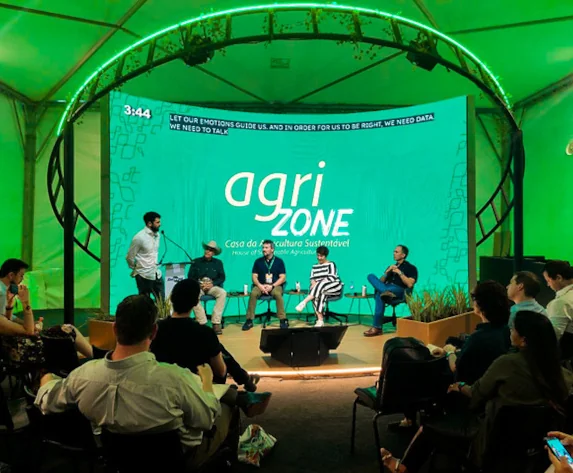
AgriZone, Embrapa Amazônia Oriental. Av. Perimetral, 211 – Terra Firme
Day 13
Cine IPAM at COP30
09h00 às 17h00
Casa Balaio (Andiroba room)
Rooting despite uncertainty: immobility in a changing climate
09h00 às 10h30
Casa Balaio (auditorium 1)
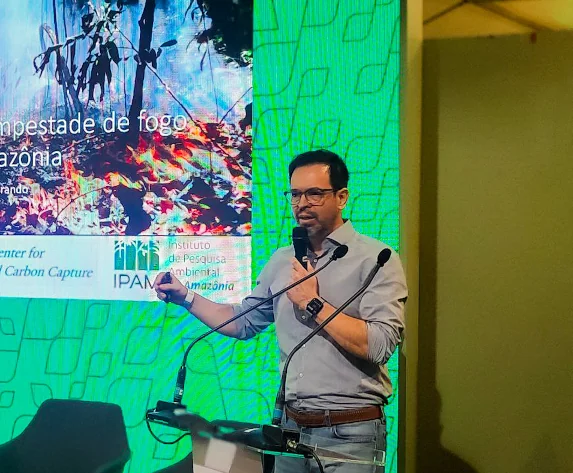
Gestão do Fogo nos Estados da Amazônia
09h00 às 10h30
Casa Balaio (auditorium 2)
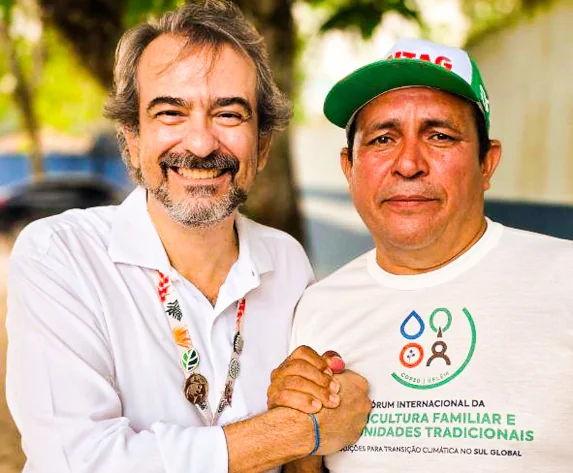
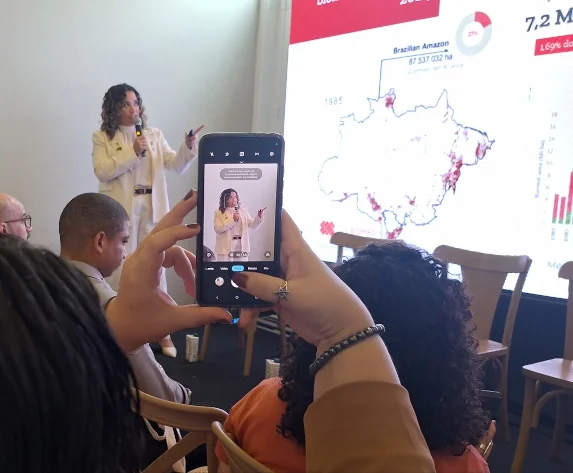
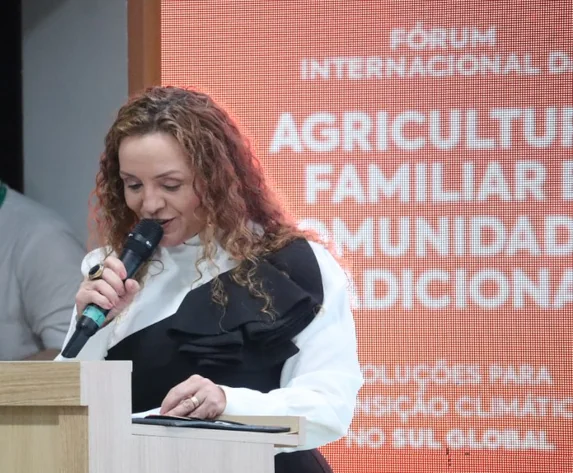
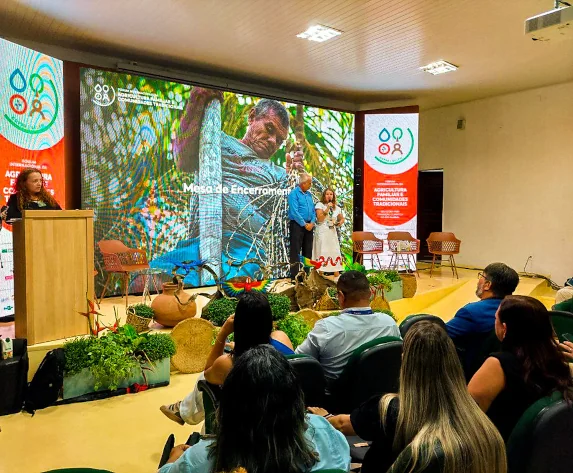
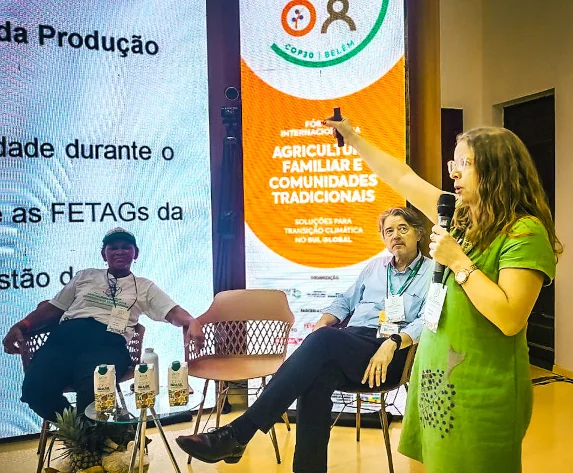
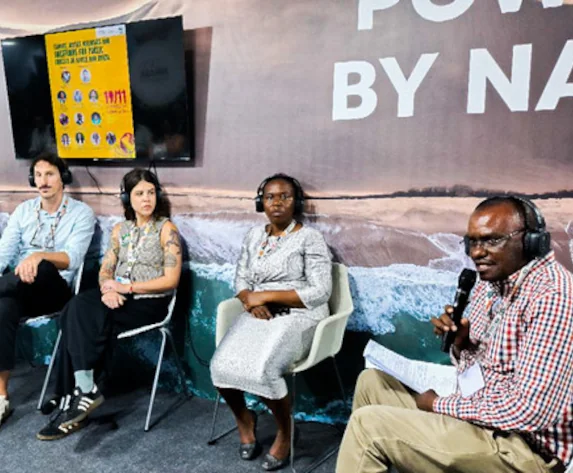
International Forum on Family Farming and Traditional Communities: Adaptive Solutions for People in the Global South
10h30 às 11h30
AgriZone, Conduru Auditorium, Embrapa Amazoônia Oriental. Av. Perimetral, 211 – Terra Firme
Revealing social tipping points in the Amazon: pathways to global resilience and transformation
11h00 às 12h20
Casa Balaio
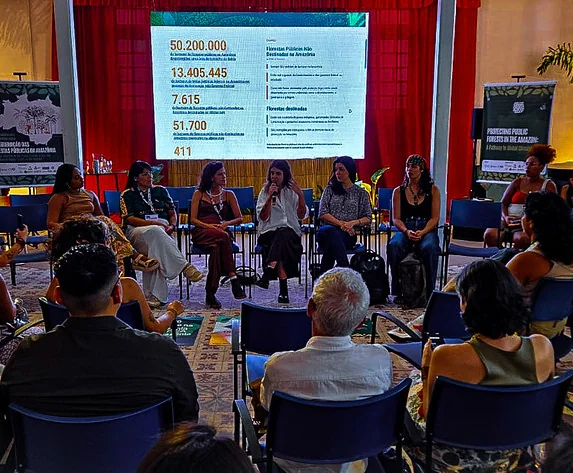
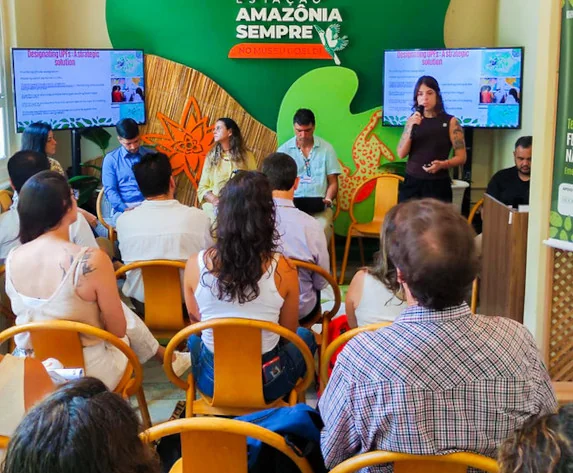
Emerging Territories: Undesignated Public Forests
11h00 às 12h20
Casa Balaio (auditorium 1)
Integrated and Resilient Cities - Connections from the Global South
13h30 às 15h00
Casa Balaio (auditorium 2)
Amazon and Cerrado connected by water
14h00 às 15h30
Casa Balaio (auditorium 2)
Protect Talks 2025: Traditional Fire Use in Times of Change
15h00 às 17h00
Casa Balaio (auditorium 1)
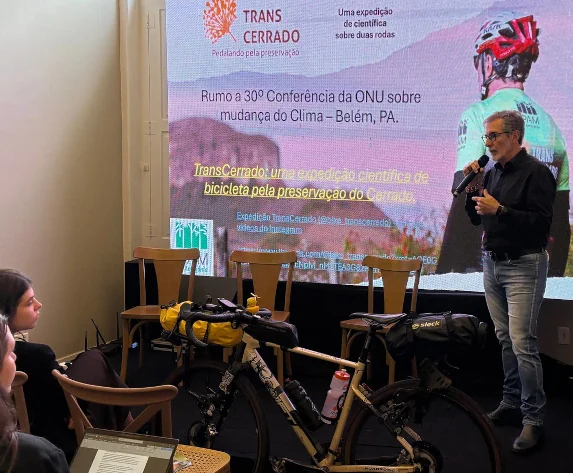
TransCerrado: a scientific bicycle expedition to preserve the Cerrado
15h30 às 16h30
Casa Balaio (auditorium 2)
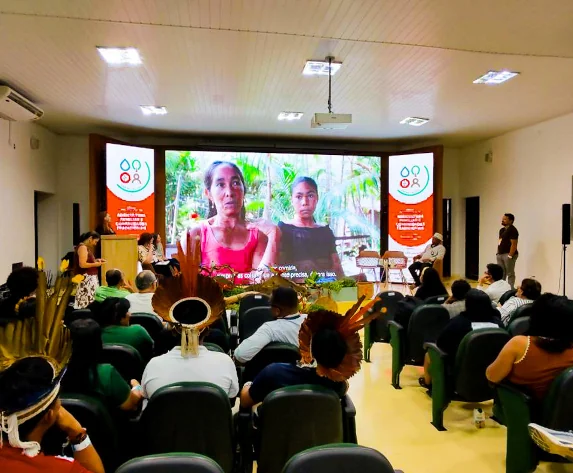
Screening of the mini-documentary: O Chamado do Cacique: Herança, Terra e Futuro
16h30 às 17h00
Casa Balaio (auditorium 2)
Day 14
Revealing social tipping points in the Amazon: pathways to global resilience and transformation
09h00 às 10h15
Blue Zone (Amazon Hub)
International Forum on Family Farming and Traditional Communities: Adaptive Solutions for People in the Global South
10h30 às 11h30
AgriZone, Conduru Auditorium, Embrapa Amazoônia Oriental. Av. Perimetral, 211 – Terra Firme
Day 15
International Forum on Family Farming and Traditional Communities: Adaptive Solutions for People in the Global South
10h30 às 11h30
AgriZone, Conduru Auditorium, Embrapa Amazoônia Oriental. Av. Perimetral, 211 – Terra Firme
Brazil's Solution to the Global Climate Crisis: the Contribution of Public Forests
10h30 às 11h30
Blue Zone (Amazon Hub)
Can farms and forests coexist? Lessons from the real world
14h00 às 15h15
Agrizone
Day 17
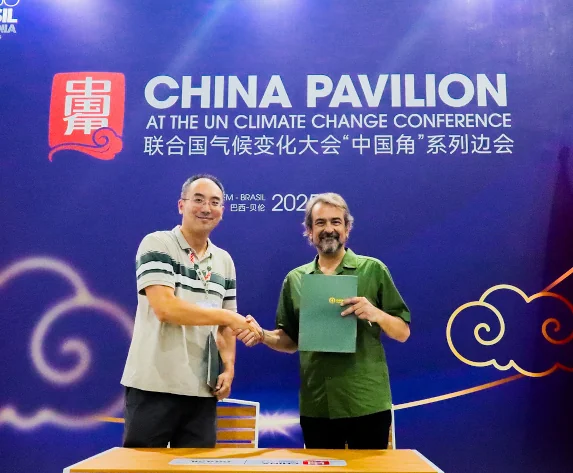
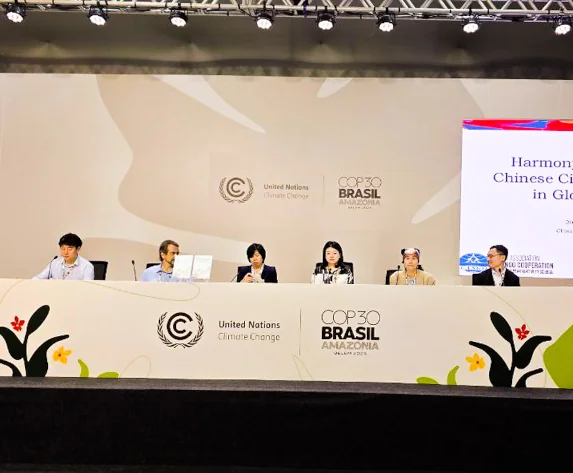
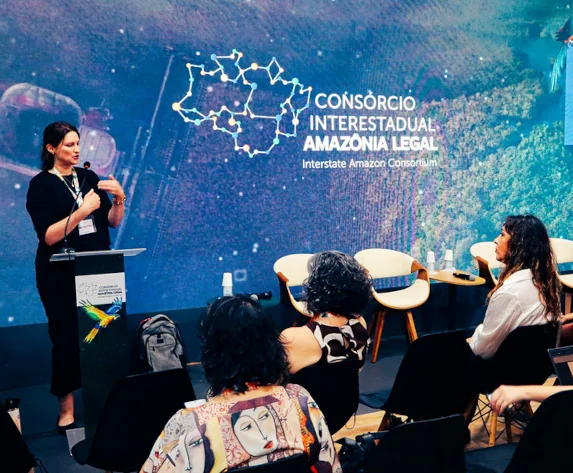
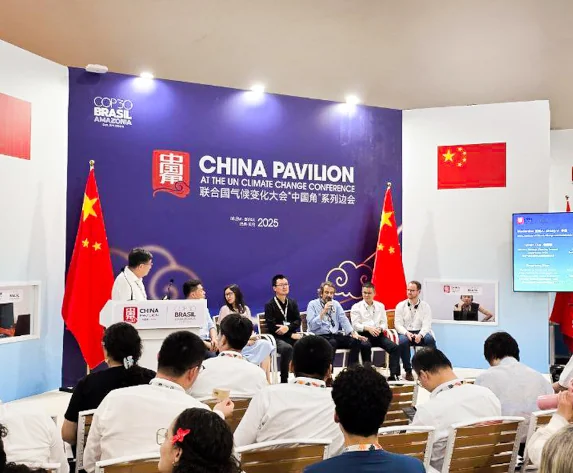
Brazil and China towards sustainability in a shared future
09h00 às 17h00
Blue Zone (Amazon Hub)
International Forum on Family Farming and Traditional Communities: Adaptive Solutions for People in the Global South
10h30
AgriZone, Conduru Auditorium, Embrapa Amazoônia Oriental. Av. Perimetral, 211 – Terra Firme
Day 18
Can a reworked UN Charter offer a way forward to improve global governance of climate and nature?
09h00 às 11h00
Casa Balaio, Auditorium 2
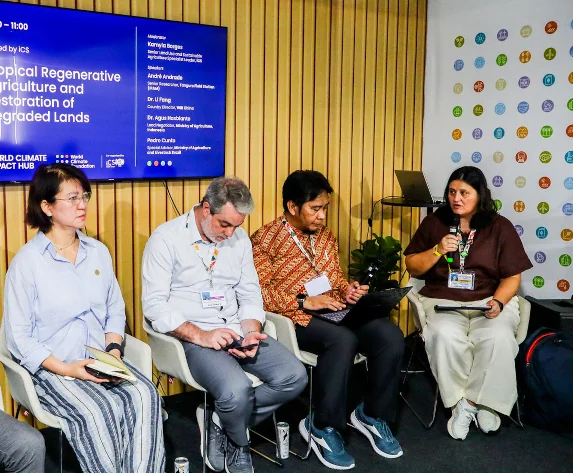
Coalition to develop a regenerative agriculture business model and Transition Pathway Scenarios addressing forests, climate and food security in Brazil, Chile, Democratic Republic of Congo and China
09h30 às 12h00
COP Presidency Room
Forest Code as a pillar of the Brazilian climate agenda
11h00 to 12h30
Casa Balaio
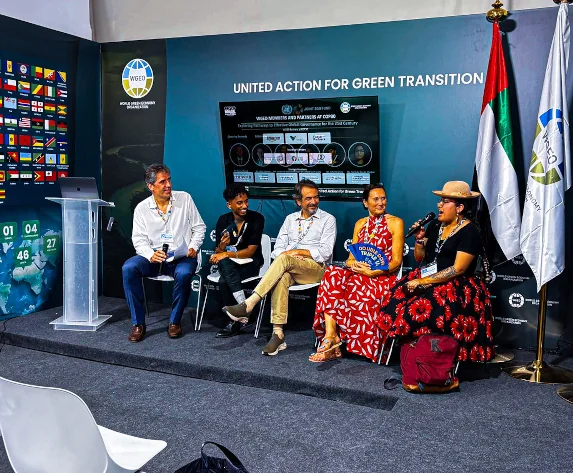
Exploring pathways to effective global governance for the 21st century (Article 109) Blue Zone (Amazon Hub)
15h15 às 16h30
Blue Zone (Amazon Hub)
Brazilian solution to the global climate crisis: the contribution of Public Forests
16h45 às 18h00
Blue Zone (Amazon Hub)
Check out the topics that will be covered by
IPAM at COP30
Monitoring Greenhouse Gas Emissions
Alternatives for quantifying global greenhouse gas emissions to be integrated into climate agenda planning.
Traditional Peoples and Communities
Broaden voices and include social participation in decision-making related to the climate agenda.
Agriculture and Food Production
Promoting low-carbon agriculture, linking conservation to agricultural productivity; Valuing family farming for food security and climate balance.
Climate Adaptation and Resilience
Emphasize the urgency of implementing nature-based climate change adaptation measures that protect all populations – especially the most vulnerable – from extreme weather events.
Fire Management and Monitoring
Improve fire monitoring and management in tropical forests, with a focus on implementing the National Integrated Fire Management Policy (PNMIF) in Brazil.
Forest Restoration
Thinking about funding avenues and initiatives to increase native vegetation cover through human action.
Social Inflection Points
Propose ways to increase the climate resilience of the Amazon in the face of large-scale changes in the social scenario, as a result of transformations in the regional ecosystem.
Climate Financing
Scaling up the implementation of climate finance, as well as its fair distribution among countries and communities.
Undesignated Public Forests
Transformation of unprotected public areas into conservation units, indigenous territories and quilombolas to reduce deforestation, cut emissions and meet nationally determined contributions.
Family Farming
Present initiatives to encourage family agricultural production that promote the restoration of degraded areas and give scalability to the chain of environmentally responsible products.
Biodiversity
To propose science-based solutions for protecting biodiversity and reducing losses of Brazilian fauna and flora in both rural and urban regions.
Bioeconomy
Debate the adoption of incentives, programs and public policies at the government level to benefit the sustainable economy based on products of nature.
Climate Justice
Encourage solutions that reconcile economic prosperity and social justice in the climate transition, considering that the impacts of climate change disproportionately affect groups according to their material capacities and vulnerabilities.
Inside COP30
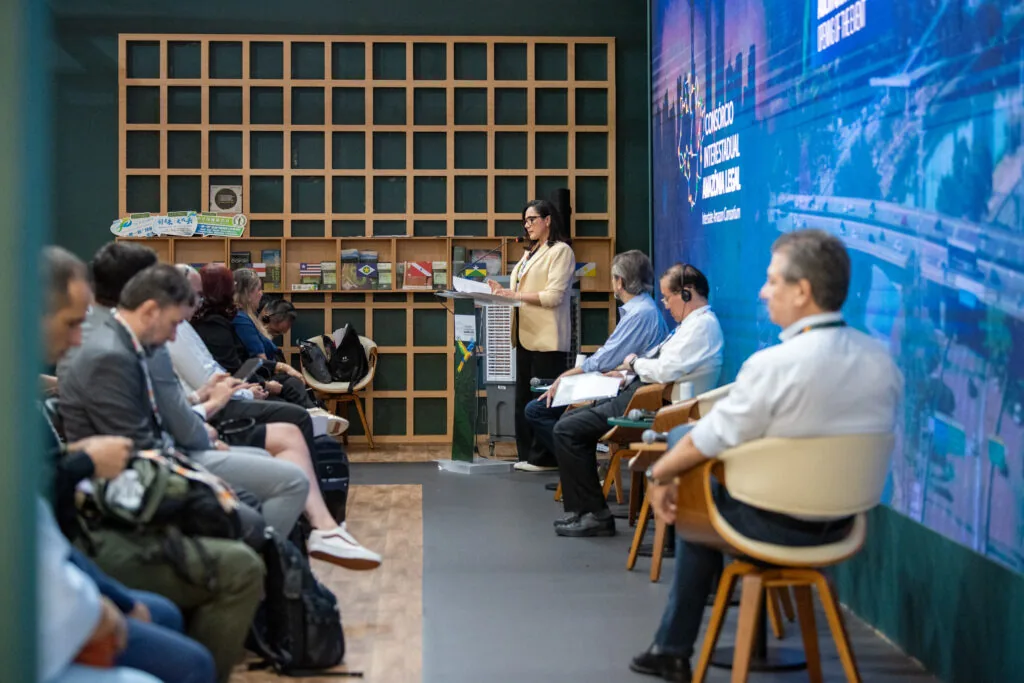
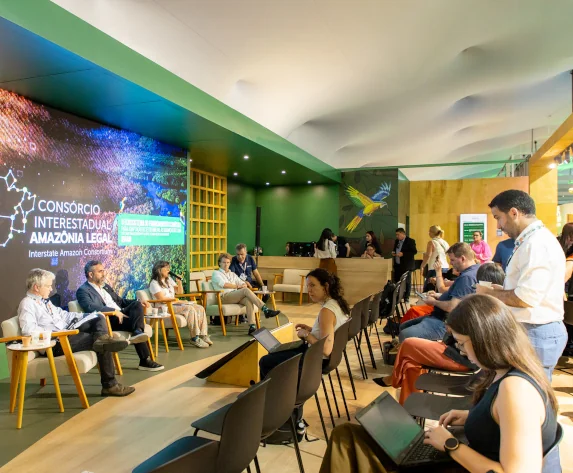
COP30: NGOs from Brazil and China host event at the Amazon Hub
The program on Monday (17) also brought together representatives of the Chinese government and the states of the Legal Amazon; forests and agriculture were highlighted.
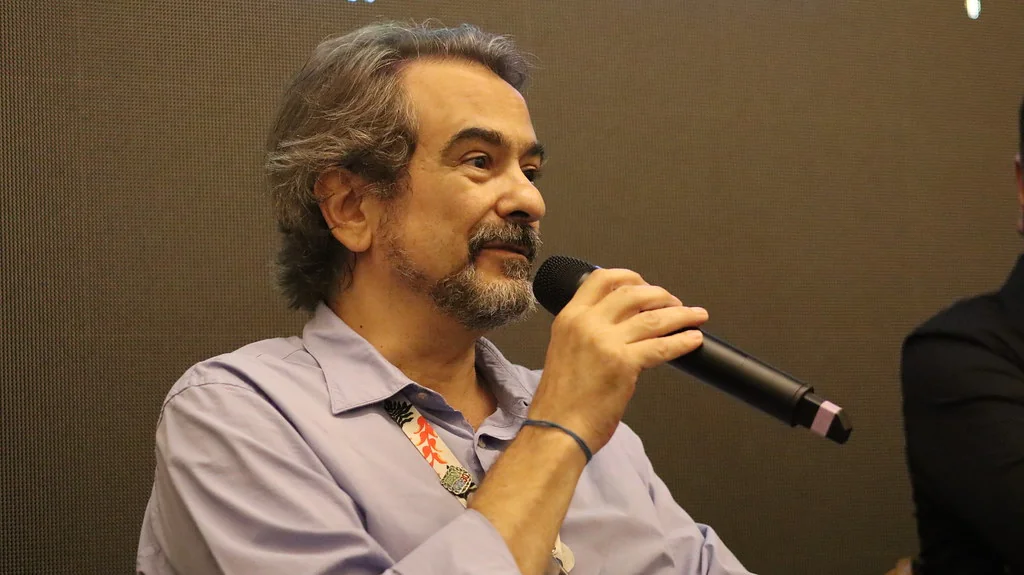
“COP30 got off to a good start and needs to move forward with dialog on fossil fuels”
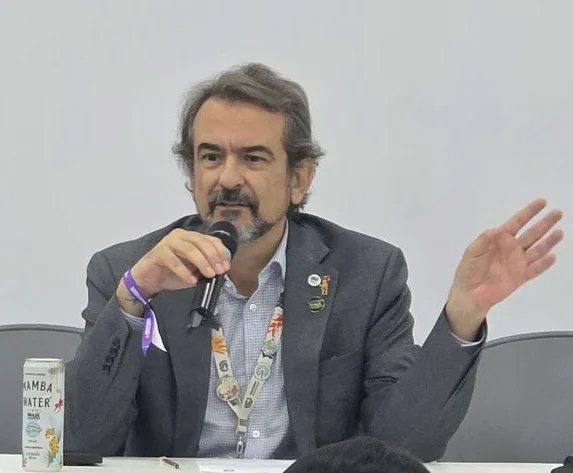
André Guimarães, executive director of IPAM, highlights the fast pace of negotiations and the importance of moving forward in discussions on reducing fossil fuels.
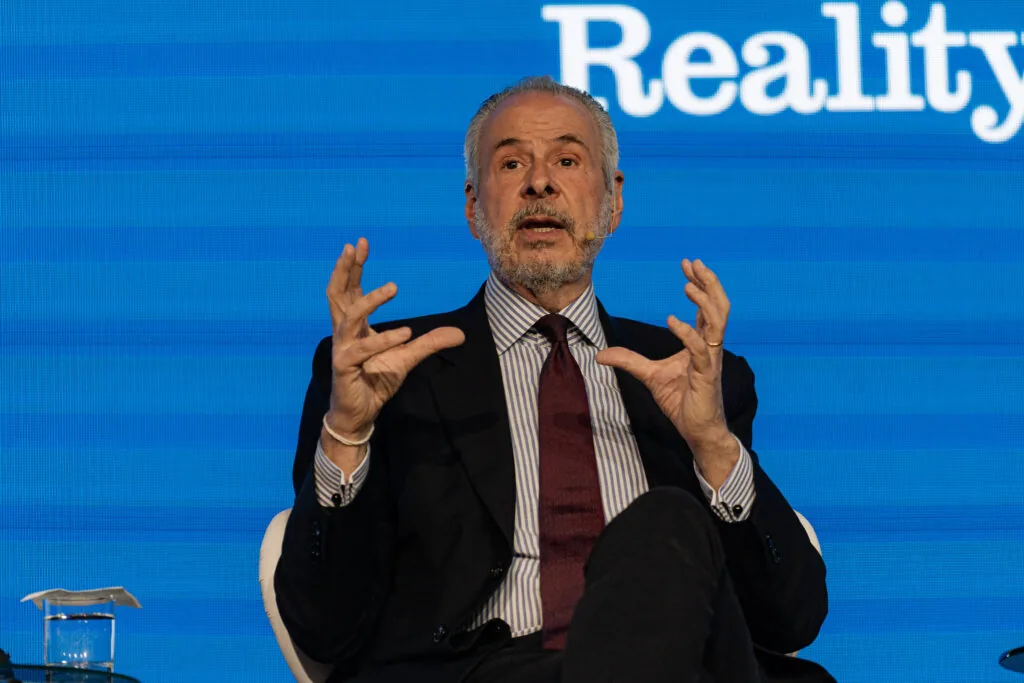
IPAM renews commitment to mobilization proposed in COP30 letters
IPAM reinforces its commitment to acting as a propositional agent in the national and international environmental agenda after letters from the COP30 president
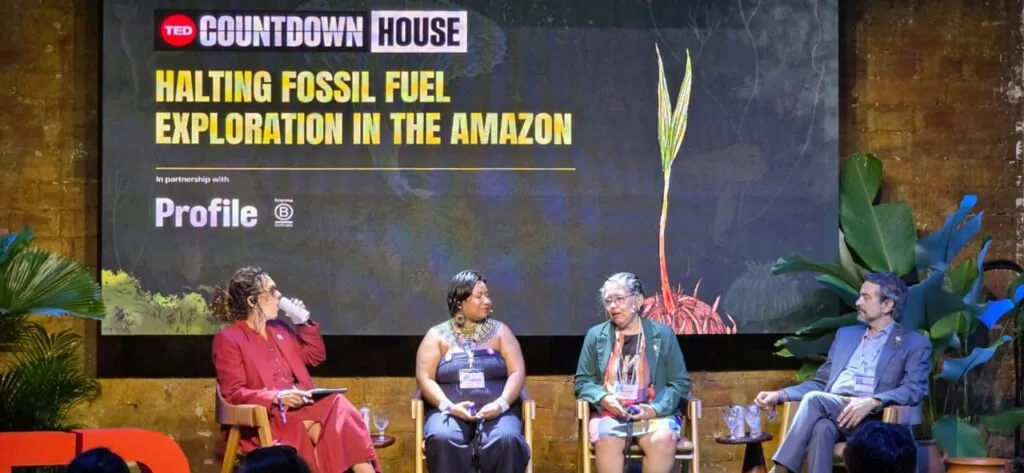
“If this is the COP of Truth, it makes no sense to explore for oil at the mouth of the Amazon”
André Guimarães, executive director of IPAM, took part in a parallel event promoted by TED House in Belém and called for dialog so that the country can seek sustainable alternatives
Check out IPAM’s agenda and highlights at COP30 in Belém
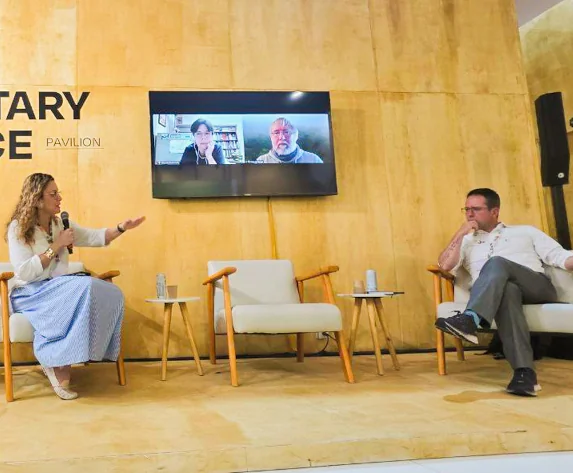
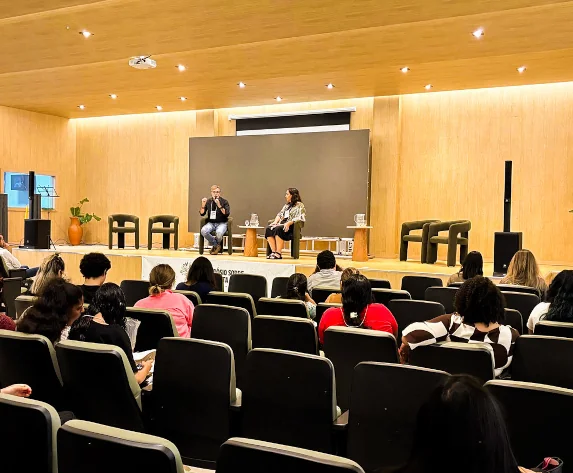
A legacy of 30 years of scientific knowledge and solutions will be presented at approximately 100 events attended by the institute.
COP30 in Brazil renews hopes with the Global South at the center
Message from André Guimarães, executive director of IPAM, on Global South Solutions and the climate conference in Belém from November 10 to 21.
Where we will be
Casa Balaio
Avenida Nazaré, 669 – Centro
Blue Zone
City Park – R. Sen. Lemos – Souza
Blue Zone
City Park – R. Sen. Lemos – Souza
AgriZone
Parque Estação – Tv. Dr. Enéas Pinheiro, s/n
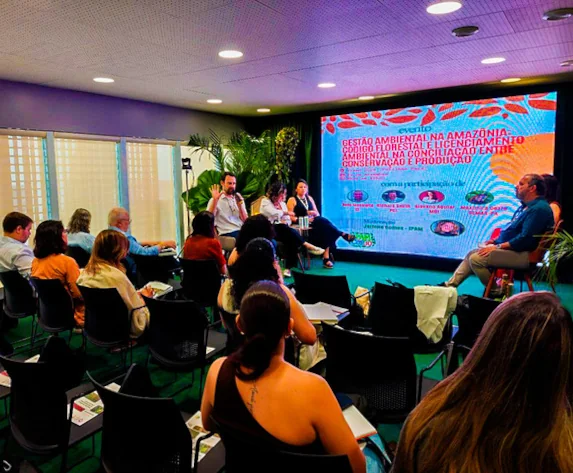
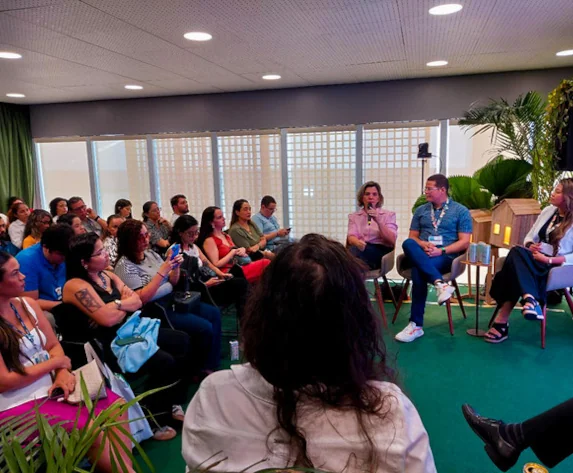
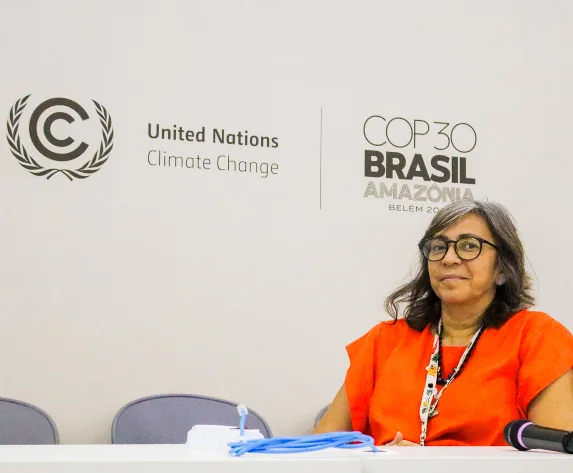
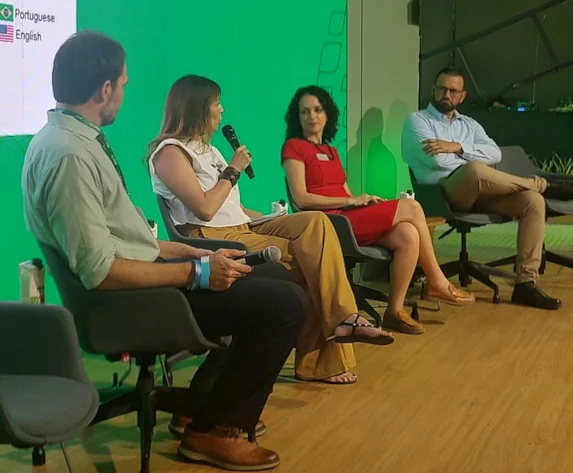
Follow IPAM at COP30
Check out all the events attended by IPAM via the link below.



Any questions?
Talk to our journalists!
Bibiana Garrido (Belém)
bibiana.garrido@ipam.org.br
Karina Custódio (Brasília)
karina.souza@ipam.org.br

About COP30
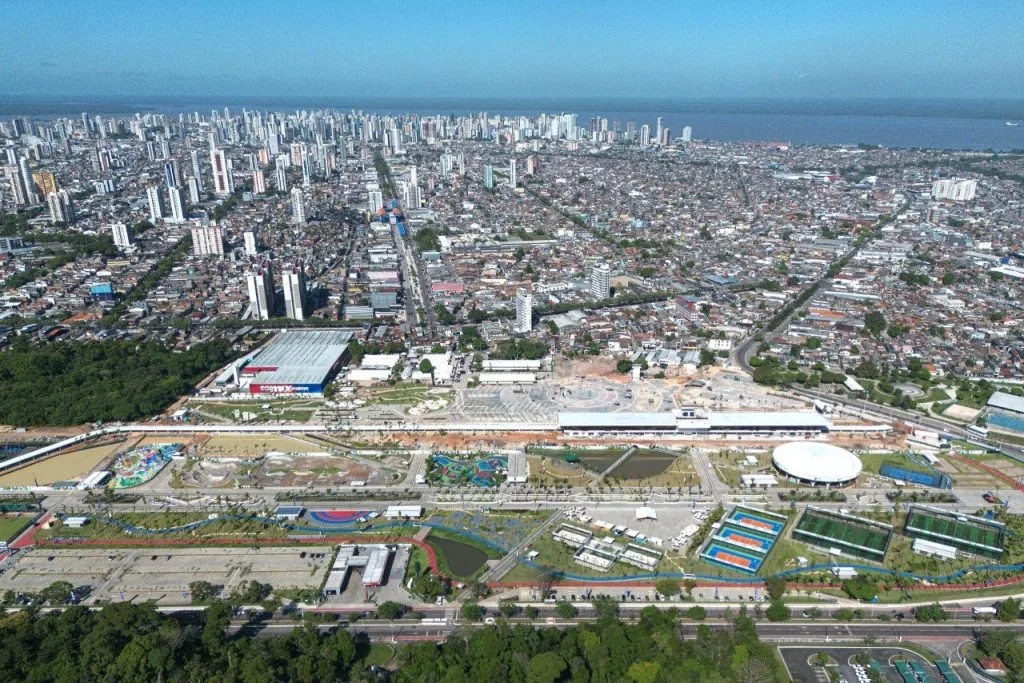
The COP will be in the heart of the Amazon for the first time.
Belém (PA) will host COP 30 between November 10 and 21. The world’s most important climate event will bring together delegations from more than 190 countries to discuss actions to tackle climate change.
The capital of Pará will be the stage for the revision of the Paris Agreement, signed 10 years ago, and nations will be called upon to present new climate commitments to reduce emissions of polluting gases into the atmosphere.
All efforts converge on limiting the increase in average global temperature above pre-industrial levels to 1.5ºC.
What to expect in this issue
Delegations from all over the world are coming together to discuss alternatives for mitigating greenhouse gases in areas such as agriculture and food systems, ocean management and city infrastructure, among others. Financing, climate adaptation, energy transition and forest and biodiversity conservation will also be discussed.
Meanwhile, the COP presidency will discuss new mechanisms for climate solutions, such as the Global Ethical Balance, the Action Agenda and the Tropical Forest Forever Facility (TFFF), which will finance countries that preserve tropical forests.
COP alphabet
More on COP30
The COP was created by the United Nations Framework Convention on Climate Change (UNFCCC) and aims to take the necessary decisions to implement the commitments made by countries to combat climate change. The acronym that gives the event its name comes from English and stands for “Conference of the Parties”.
The global meeting was born during Rio-92, the United Nations Conference on Environment and Development. Three conferences were created: the Climate Change COP, the Biodiversity COP and the Desertification COP.
Over the course of 29 COPs, historic agreements were signed for the climate agenda. The most important was the Paris Agreement, signed at COP 21, which sets targets to limit global warming to +1.5ºC