Suellen Nunes*
In order to highlight the central role of women in building an Amazonian economy that combines environmental conservation and social development, IPAM (Instituto de Pesquisa Ambiental da Amazônia) held the seminar “Women of the countryside, waters and forests: sustainable economy, income generation, food security and sovereignty in the Amazon” on March 27 and 28 in Belém (PA).
The central themes of the event were women’s enterprises, with a focus on networks, cooperatives and agro-industrialization; women’s rights in access to land; and the multiple forms of violence that impact their lives, especially in the domestic context.
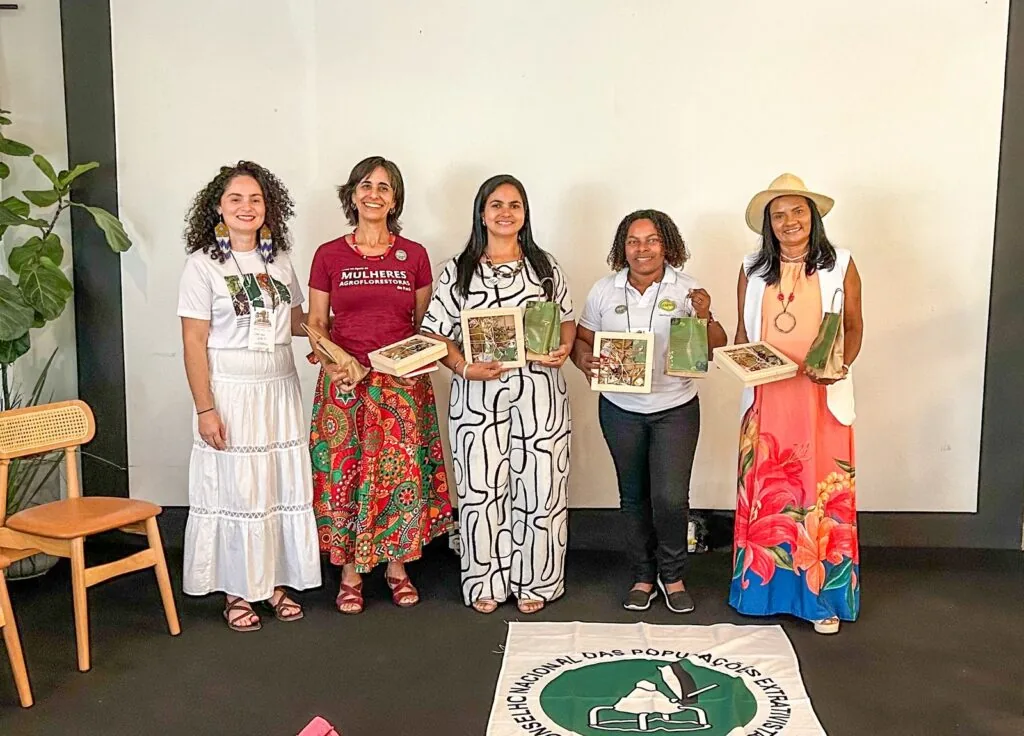
Participants included women farmers, extractivists, fisherwomen, artisans, researchers and representatives of urban and rural collectives, promoting the exchange of knowledge between individual and community initiatives, as well as strengthening women’s Inter-territorial networks and increasing the visibility of sustainable initiatives led by women.
“Creating spaces that, as well as celebrating the role of women, promote reflection is undoubtedly very important. Women have made progress in conquering these spaces, but the process is still slow. By bringing together a diversity of representatives from different territories, we broaden our perception and give visibility to the challenges that still exist, whether they are common or specific, so that they are, in fact, protagonists,” explained Elisangela Trzeciak, researcher and regional coordinator for IPAM’s Transamazon and Xingu regions.
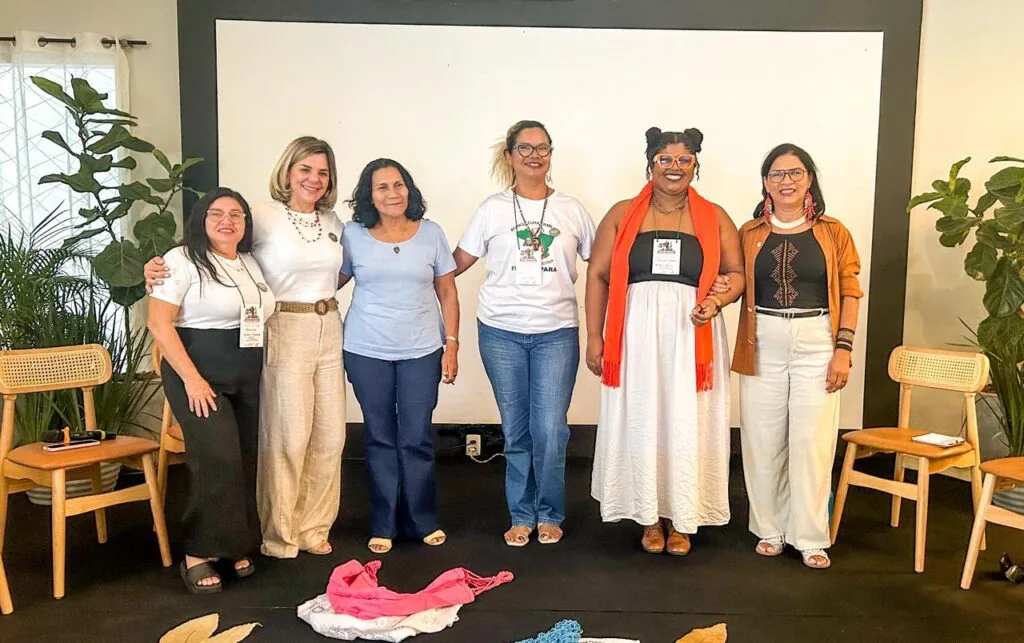
Women in rural areas face daily challenges ranging from work overload to difficulty in accessing resources, public policies and recognition. Even so, they play a fundamental role in food production, community organization and the preservation of traditional knowledge.
“I think many things are important at an event like this, but the main thing is to bring together the diversity of women. When you have quilombolas, indigenous women, family farmers and riverine women, it doesn’t go unnoticed. This is a time for reflection, but also for consolidating actions, including the fight for public policies,” said the director of FETAGRI (Federation of Rural Workers, Farmers and Family Farmers of the State of Pará), Ângela de Jesus.
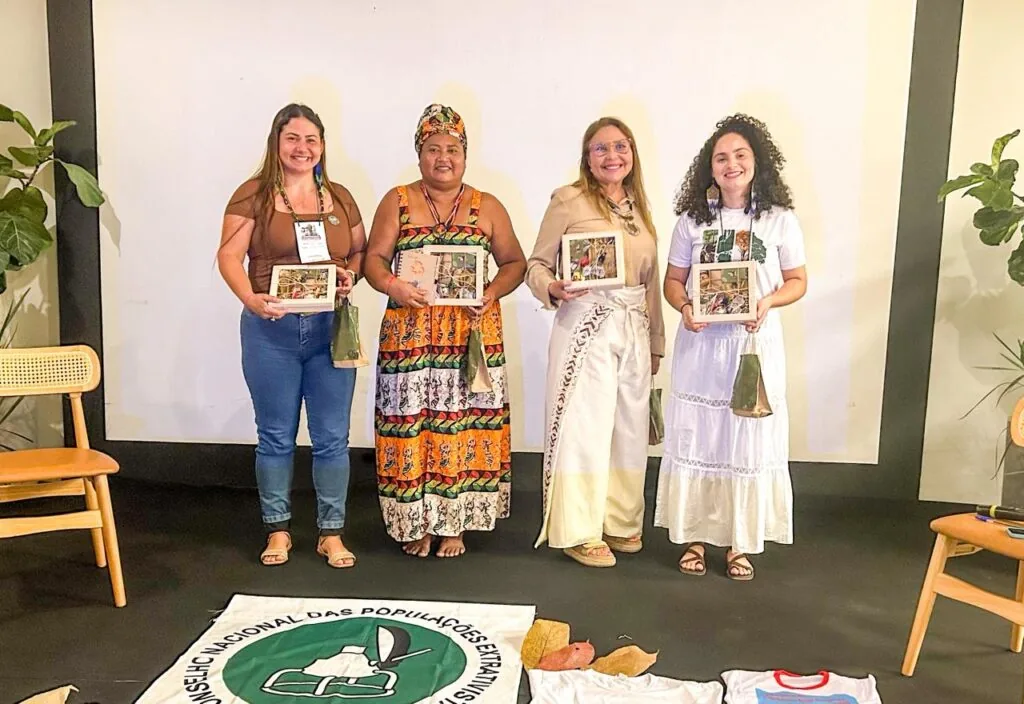
Throughout the program, strategies were discussed to strengthen income generation and guarantee food security and sovereignty for families living in the forest, fields and waters of the Amazon.
“This meeting of women’s networks strengthens income generation from the countryside and contributes to improving the quality of life of the indigenous and non-indigenous population and various other groups. We know that women are the ones who contribute most to income generation, and this support is fundamental to guaranteeing the right to public policies that strengthen our struggle and benefit women. Being part of this conversation is urgent,” explains the representative of FEPIPA (Federation of Indigenous Peoples of Pará), Concita Sompre.
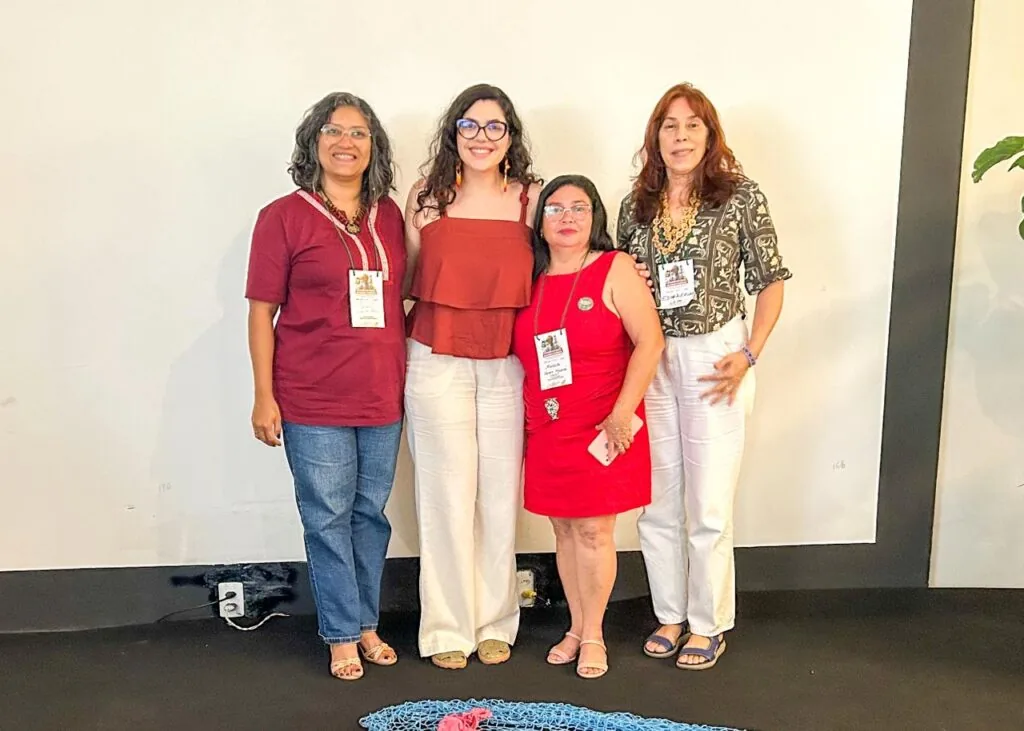
The seminar is organized by IPAM, with FETAGRI (Federation of Rural Workers, Farmers and Family Farmers of the State of Pará), EMATER (Technical Assistance and Rural Extension Company), and SEAF (State Secretariat for Family Farming). In partnership with FETRAF-PARÁ (Federation of Workers in Family Agriculture), MALUNGU (Coordination of Associations of Communities Remaining from Quilombos in Pará) and CNS (National Council of Extractivist Populations), supported by Hydro.
IPAM Communications Analyst*.