
Stay
in
Brazil is the leading supplier of five agricultural commodities to China
A joint study by IPAM and a Chinese institute analyzes the impacts on trade, climate risks, and sustainability governance in the relationship between the two countries regarding food production.
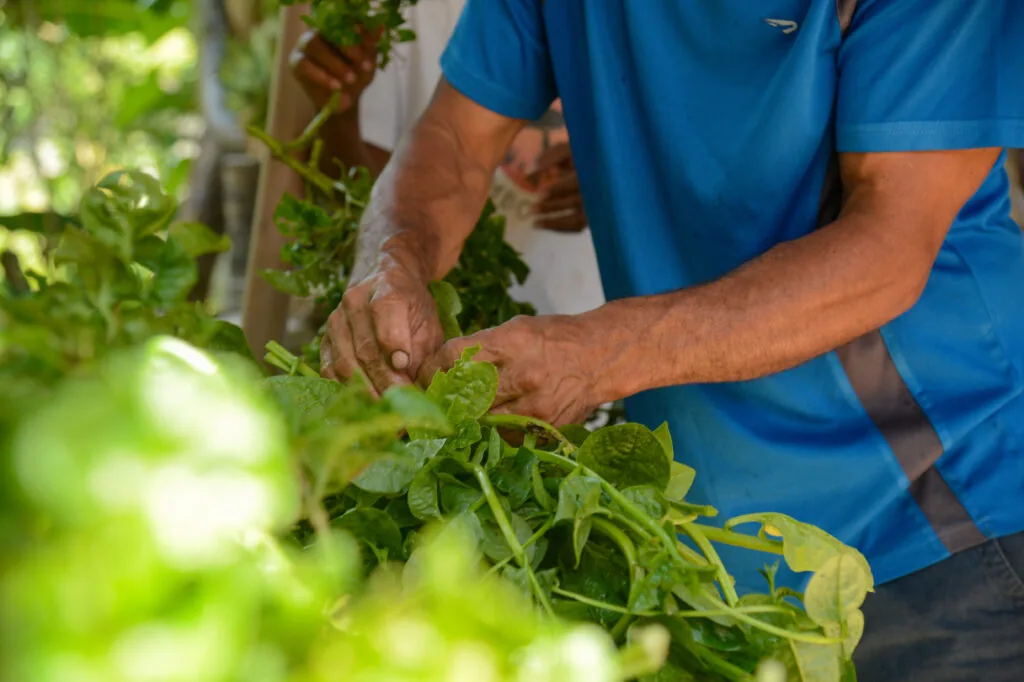

From research to public policy: Gabriela Savian and the protection of the Amazon
Accompanying and producing science, dialoguing with communities and liaising with governments, IPAM's Director of Public Policy has already dedicated 16 years to contributing to public policies.
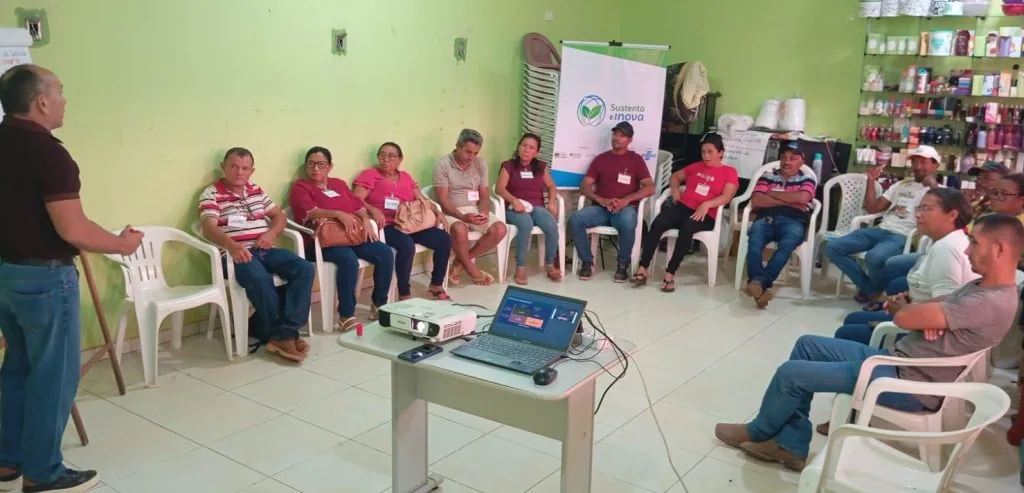
IPAM strengthens cooperatives in Pará with training in governance
Courses offered to five cooperatives in four cities aim to support sustainable production in the State by improving management, leadership, legislation and marketing techniques
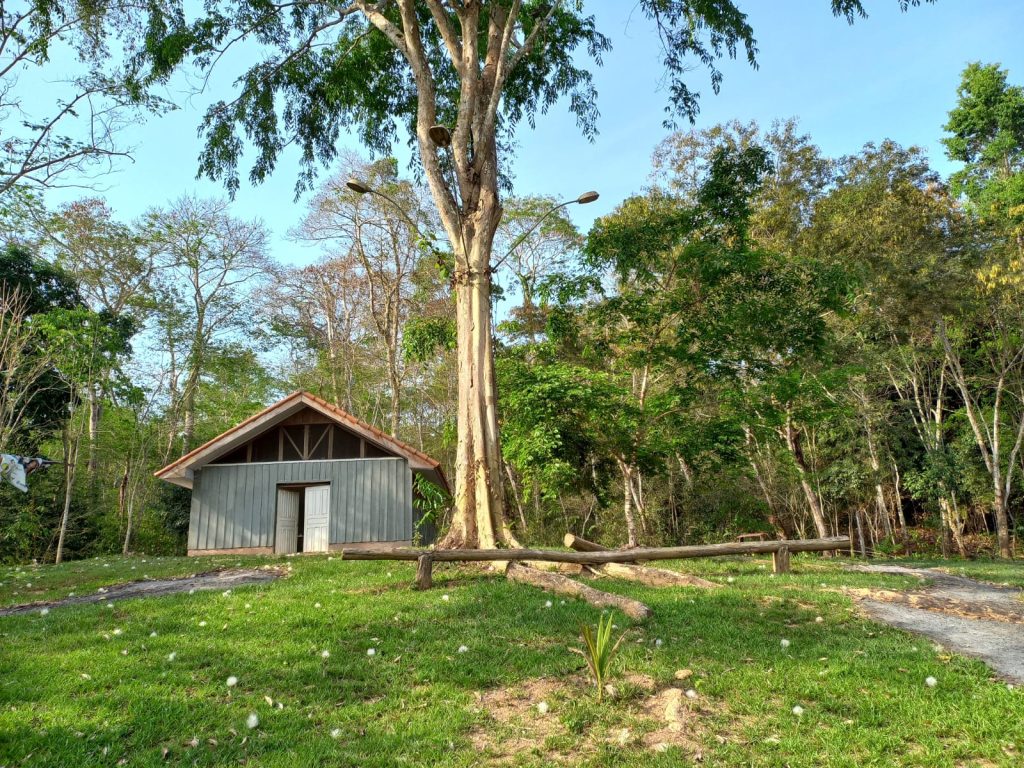
Paiter a Soe Museum: reviving culture to protect the forest
The first museum in the Amazon on indigenous land uses workshops and ethno-tourism to value culture, strengthen communities and generate income, an initiative created by Luís Suruí
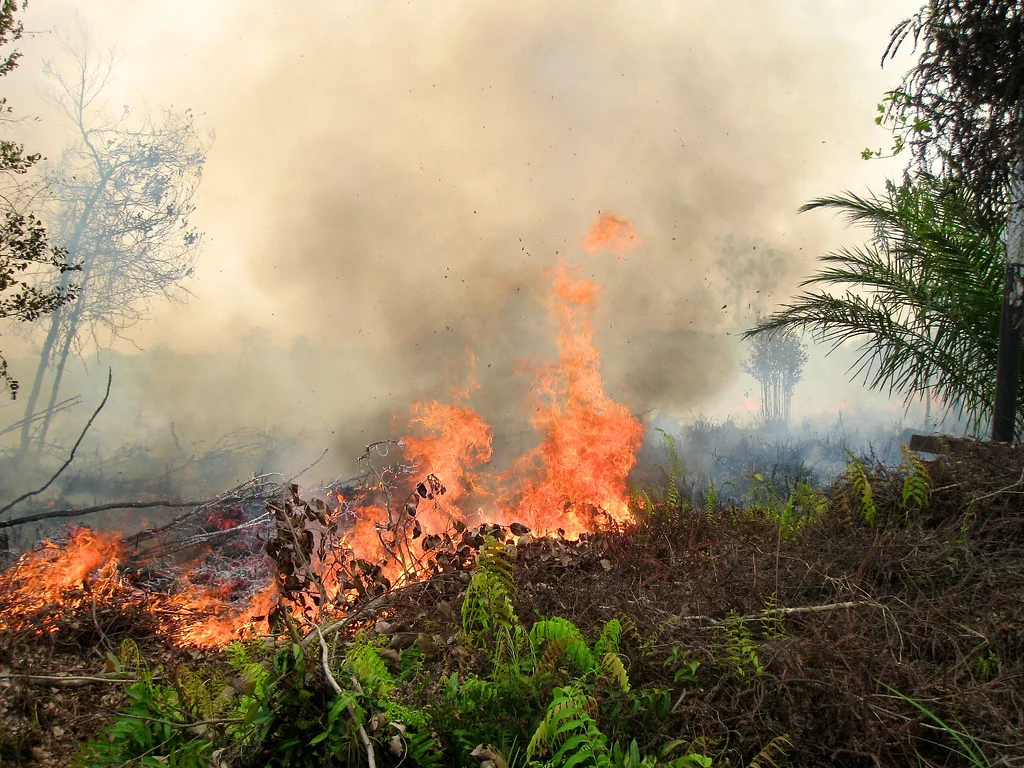
Forests need up to 29 years to recover from fires
A study contributed to by IPAM shows that regeneration of deforested forests in the Amazon is hampered by fire, and that vegetation takes 12 to 29 years to recover
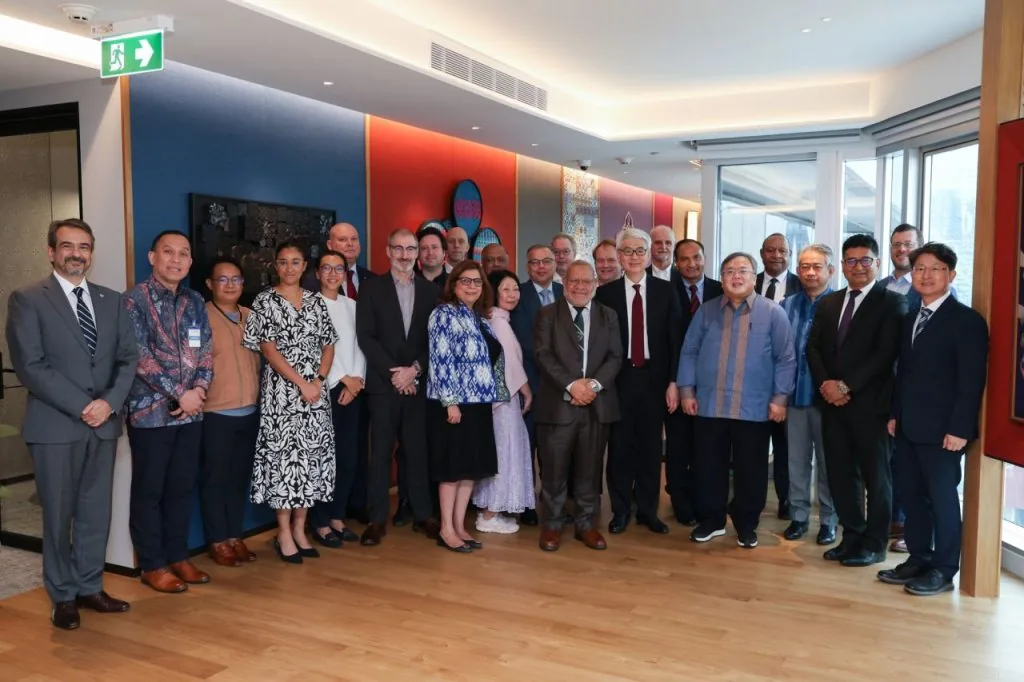
IPAM director discusses future of agriculture at event with global leaders
The Asian Development Bank Institute conference in Thailand focused on the synergies between climate and development on March 20 and 21.

Lucimar Souza: a life dedicated to family farming
On the floor of the Amazon, IPAM's Director of Territorial Development has been supporting small rural landowners to combine production and conservation for 26 years.