Journalists and content creators took part in an immersion on the dynamics of fire in the state of Acre, promoted by IPAM (Amazon Environmental Research Institute) in partnership with UFAC (Federal University of Acre), from June 26 to August 1.
With the theme “Impact of fire on protected areas, degradation of forests and landscapes”, the activity covered the region’s unique landscapes, such as bamboo forests and campinaranas, types of Amazonian vegetation that are different from the images commonly disseminated when it comes to the Amazon.
The aim of the immersion was to promote field experiences and exchanges of experience in order to contribute to the quality of information and journalistic coverage about fire in the Amazon.
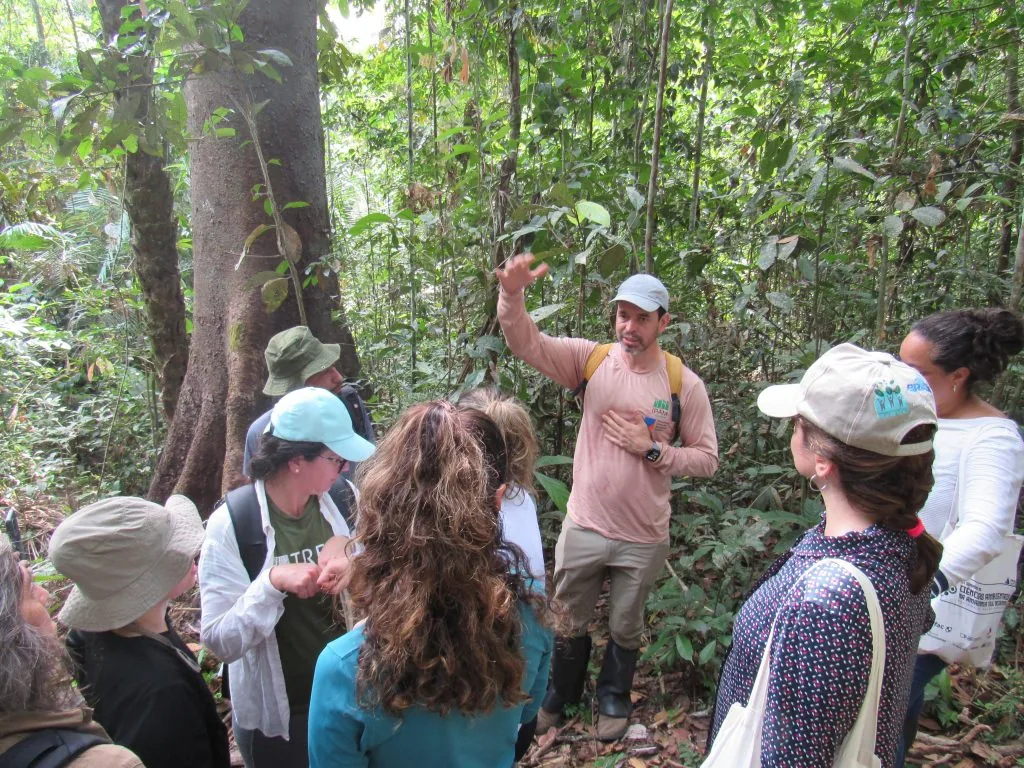
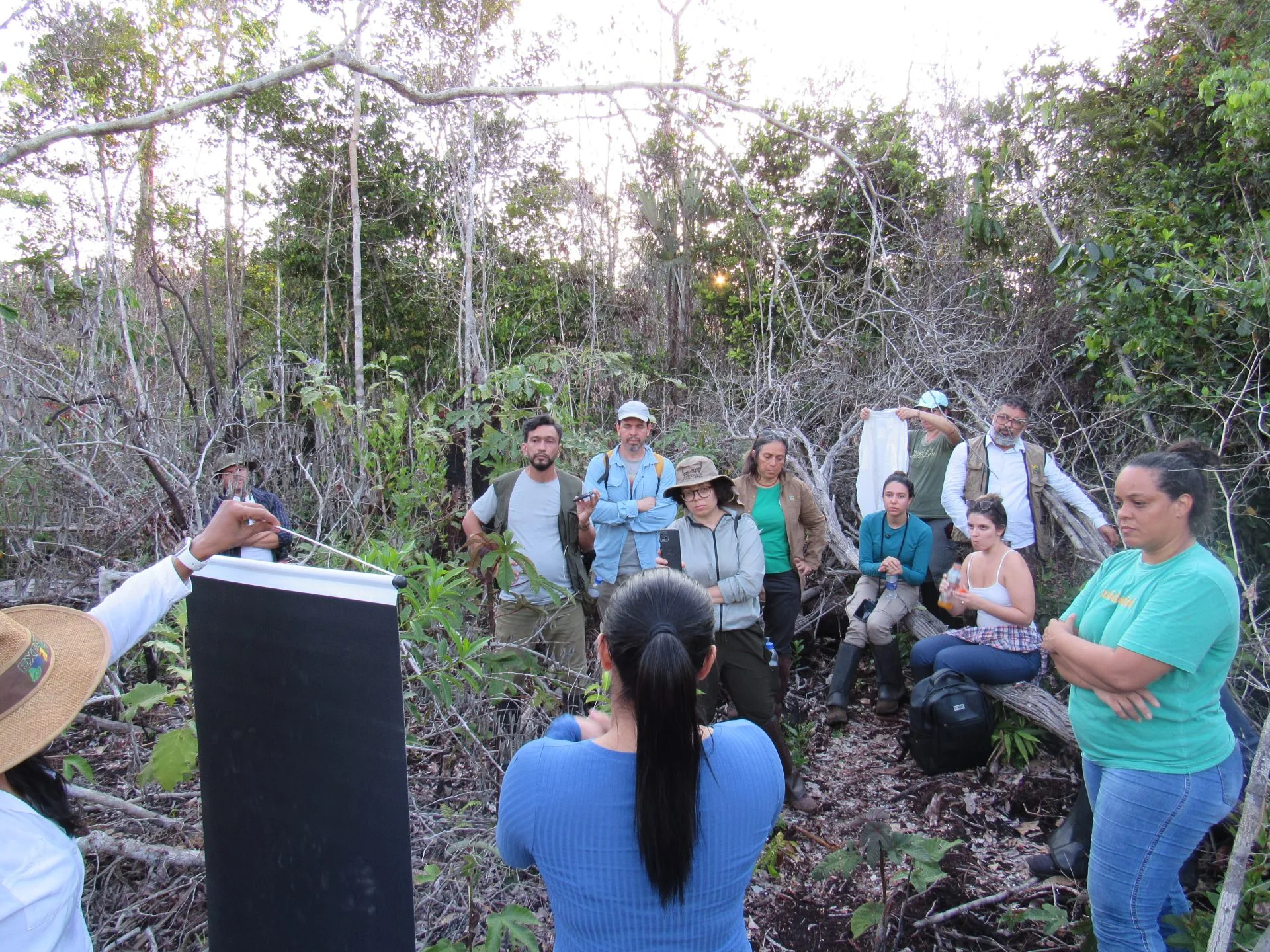
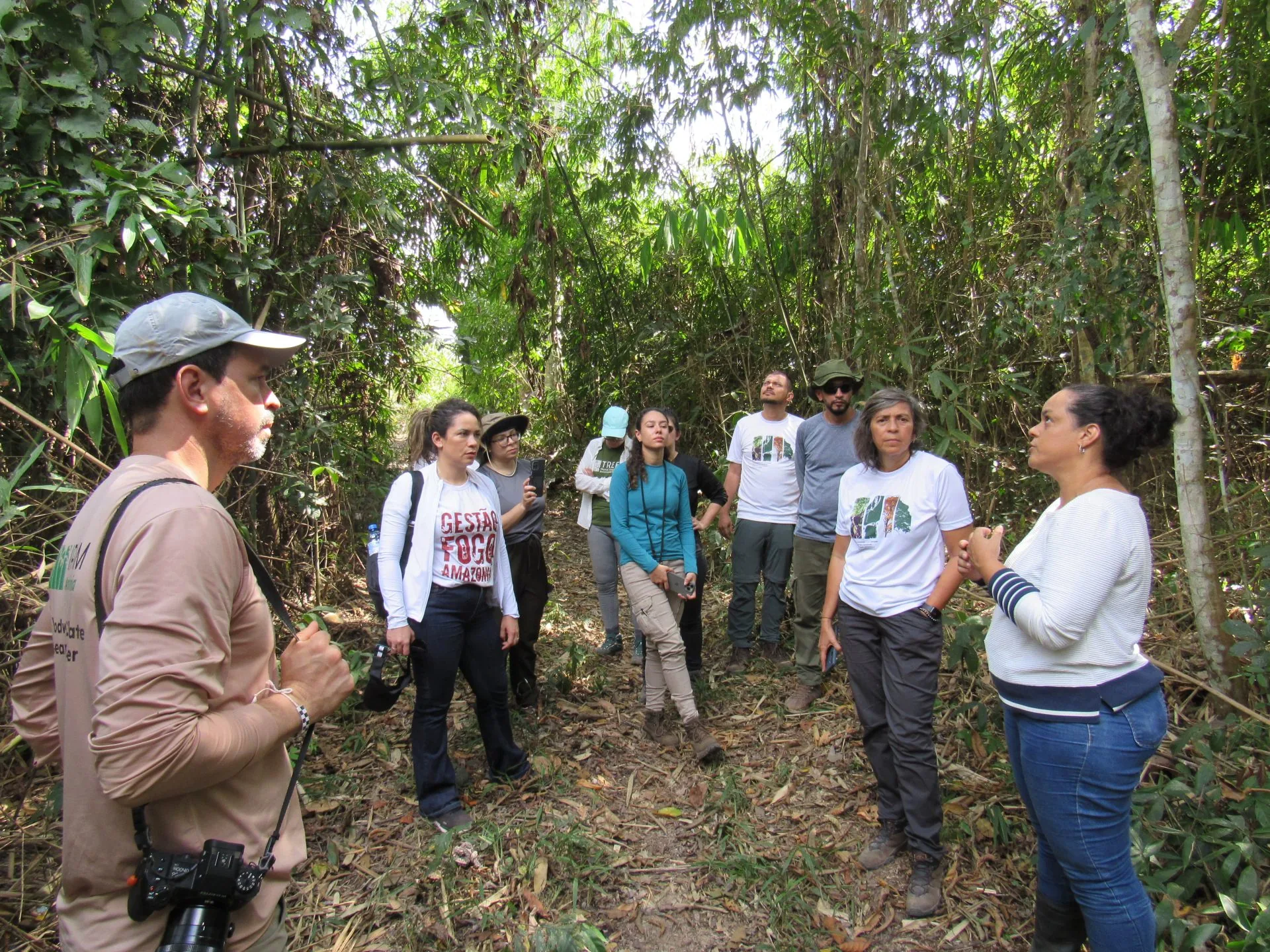
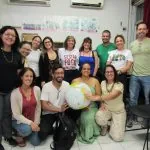
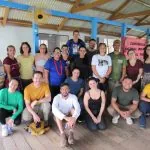
Immersion discussed fire dynamics in the Acre Amazon (Photo: Bibiana Garrido/IPAM)
In addition to researchers from IPAM and UFAC, scientists from Cemaden (National Center for Natural Disaster Monitoring and Alerts) and the Woodwell Climate Research Center in the United States took part.
“IPAM has been holding immersions with communications professionals for at least ten years. Specifically on fire in the Amazon, there have already been four editions. We see that there is a huge benefit in promoting the meeting of journalists and content creators with the issues they deal with on a daily basis, but sometimes don’t have the opportunity to see up close,” says Ane Alencar, IPAM’s Science Director.
She adds: “We chose Acre to host this immersion because it has unique vegetation characteristics and, at the same time, is an example of fire management with integrated policies between the various levels of governance.”
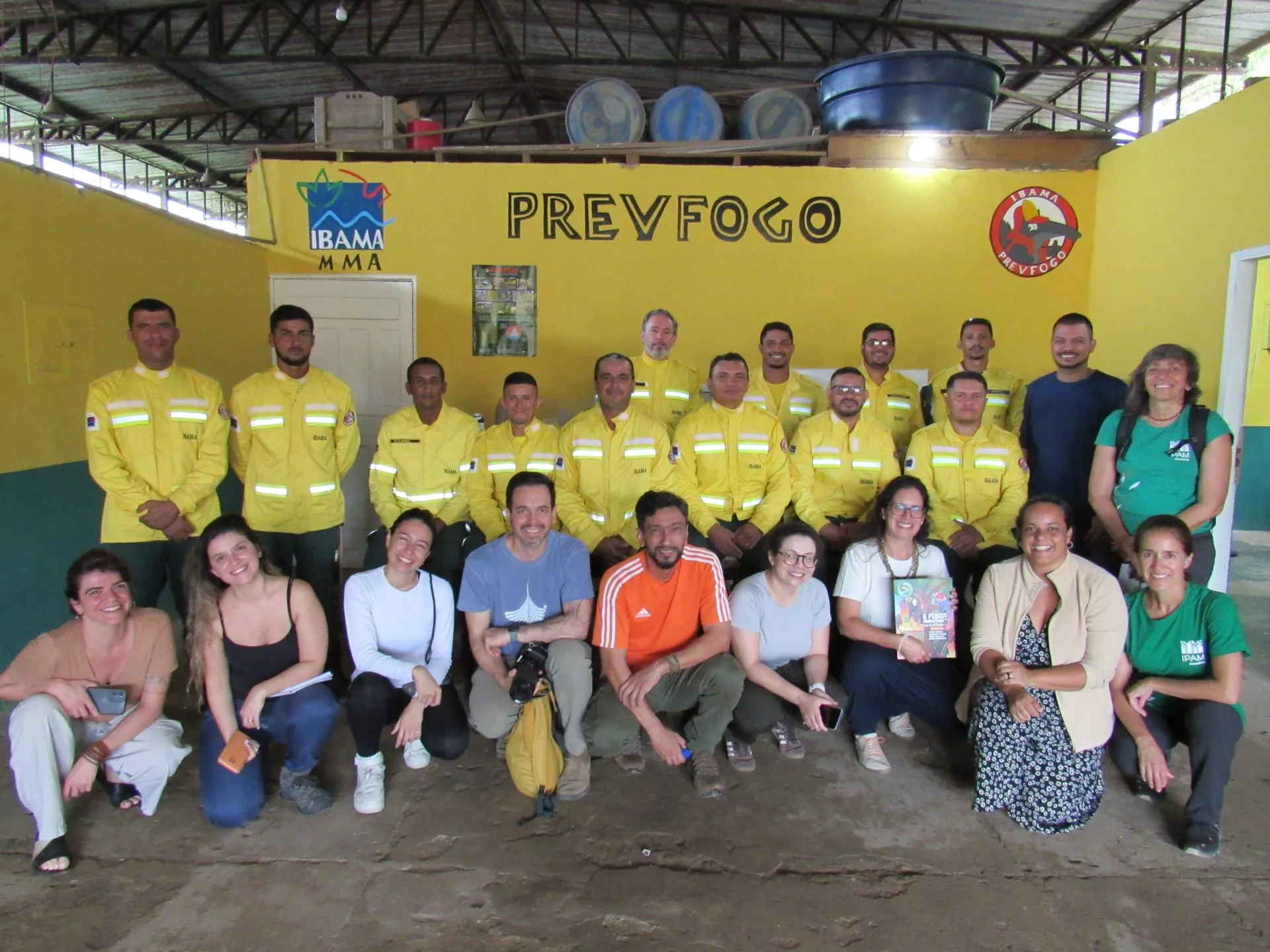
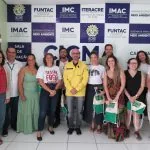
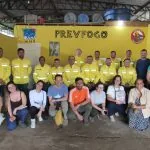
The program included visits to areas of forest and native vegetation of different types, as well as to rural properties owned by farmers who grow crops without using fire. In addition, journalists and content creators met Prevfogo firefighters in Sena Madureira and representatives from CIGMA (Integrated Center for Geoprocessing and Environmental Monitoring), of the Acre State Secretariat for the Environment, in Rio Branco.
“We’ve been breathing in about 10 times more pollution in recent years and fire has been getting further and further into the forest, worsening air quality in natural areas and cities. Sensitive ecosystems, such as bamboo forests and campinaranas, suffer many changes after a fire, and take a long time to recover. Even though these types of forests are little represented, it is important to remember that there are many Amazons within the Amazon and we must protect them all,” says Sonaira Souza da Silva, a researcher and professor at UFAC.
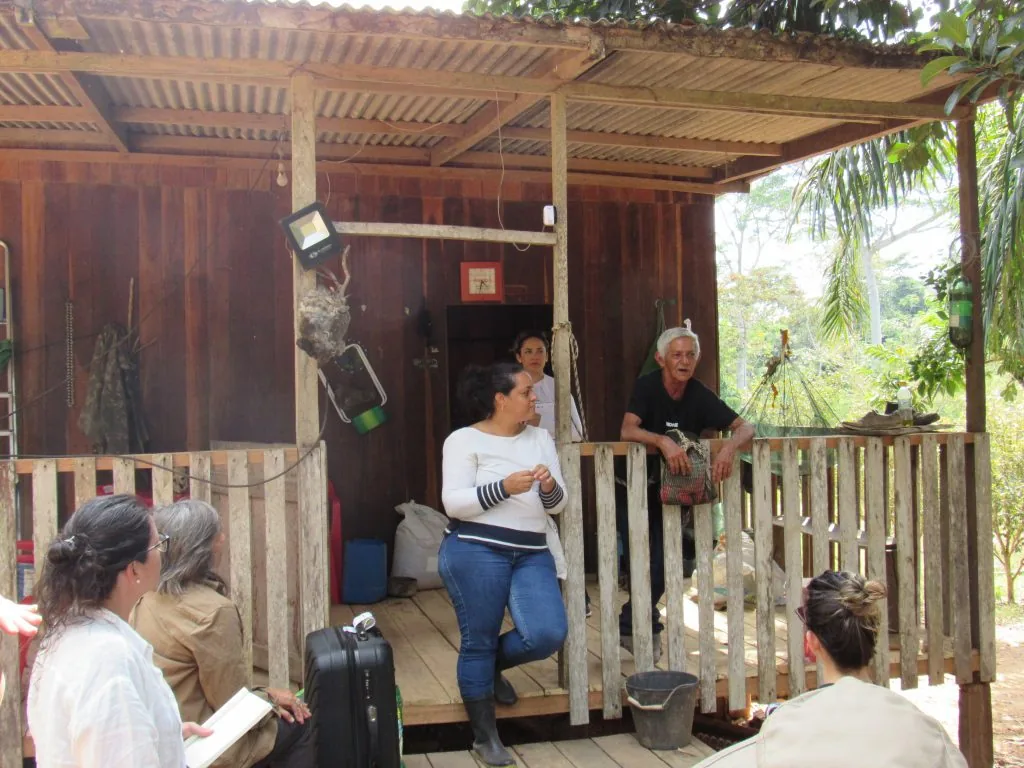
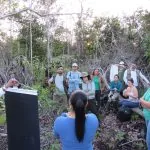
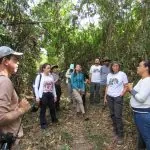
Dialogue with the local population was part of the immersion on the impacts of fire (Photo: Bibiana Garrido/IPAM)
The group also attended lectures at the UFAC campus in the capital and, in Cruzeiro do Sul, visited burned areas and met with indigenous leaders and representatives of OPIRJ (Organization of Indigenous Peoples of the Juruá River) in the Puyanawa indigenous land.
“Going to Acre for the first time was an experience that really marked me. Talking face-to-face with farmers, indigenous people, researchers and government representatives made me understand in a much more real way what is at stake in the fight to keep the forest standing. Seeing the different Amazons, understanding the pressures and climate risks, all of this was very intense. What struck me most were two feelings: the first was sadness at seeing a forest suffering from logging and the use of fire to open up new areas for grazing. The second was one of hope. There are a lot of good people thinking and working to prevent this biome from disappearing in the face of so many pressures,” says Hélen Freitas, a journalist from the Repórter Brasil website and a guest on the immersion.
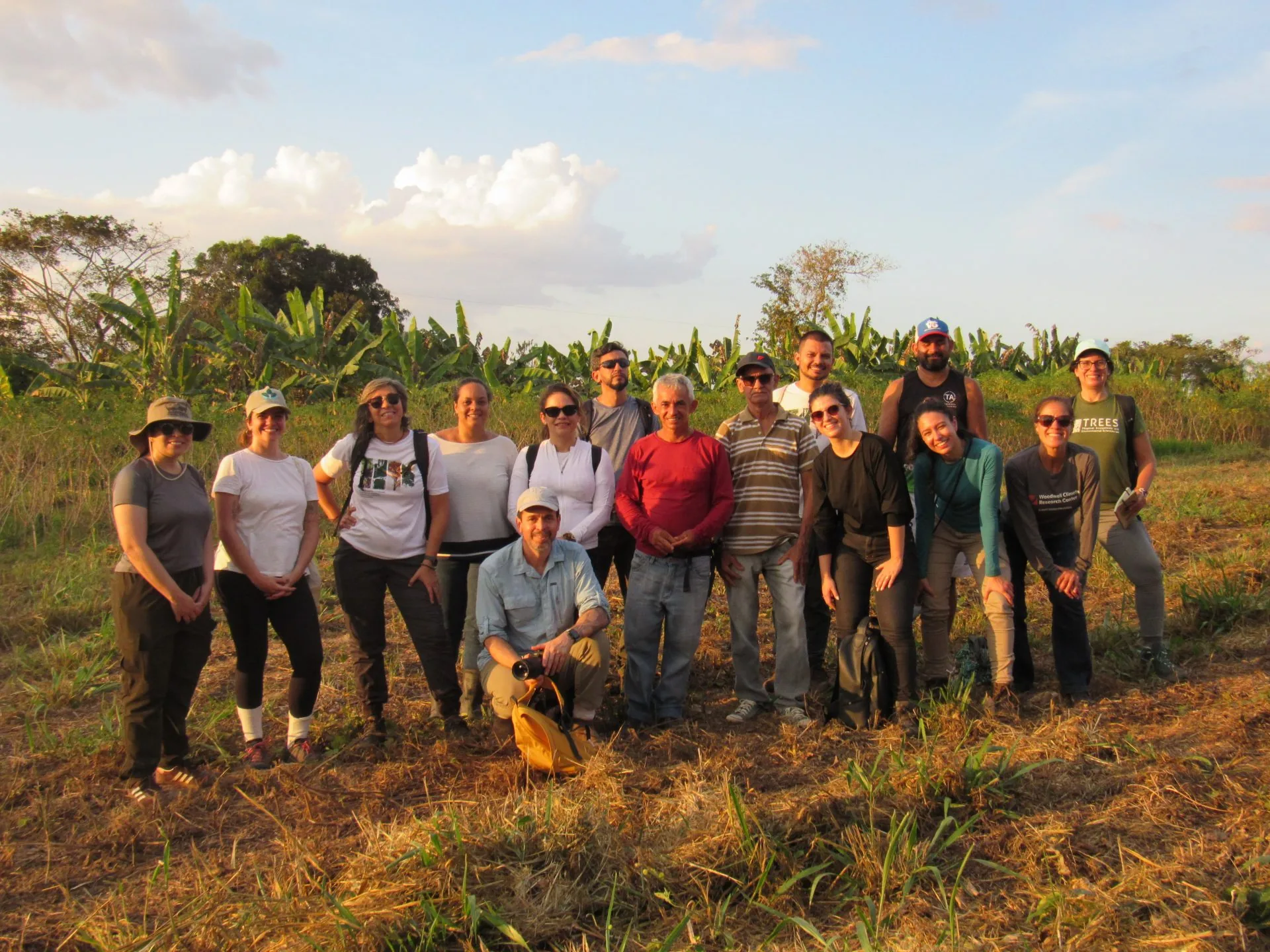
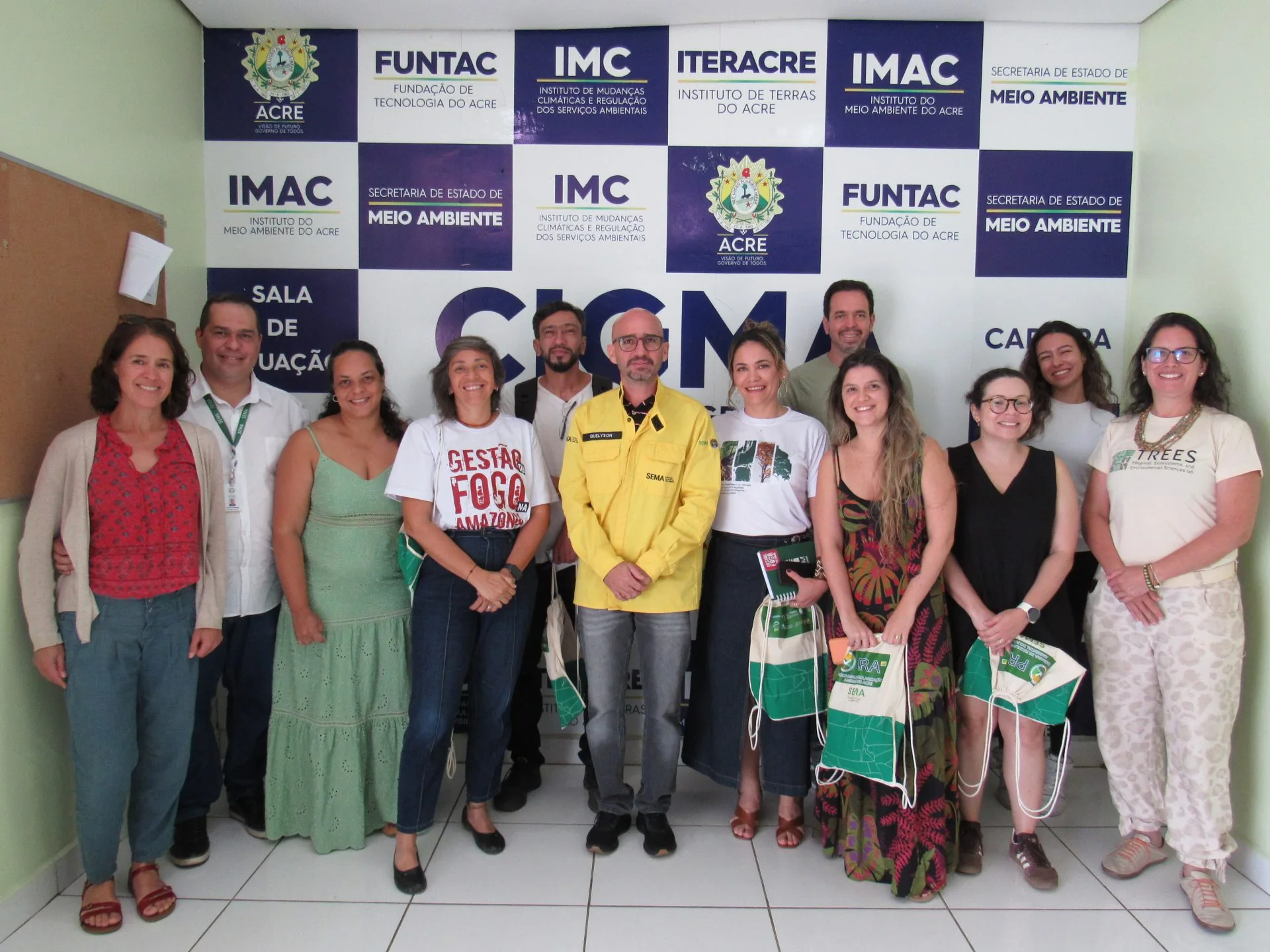
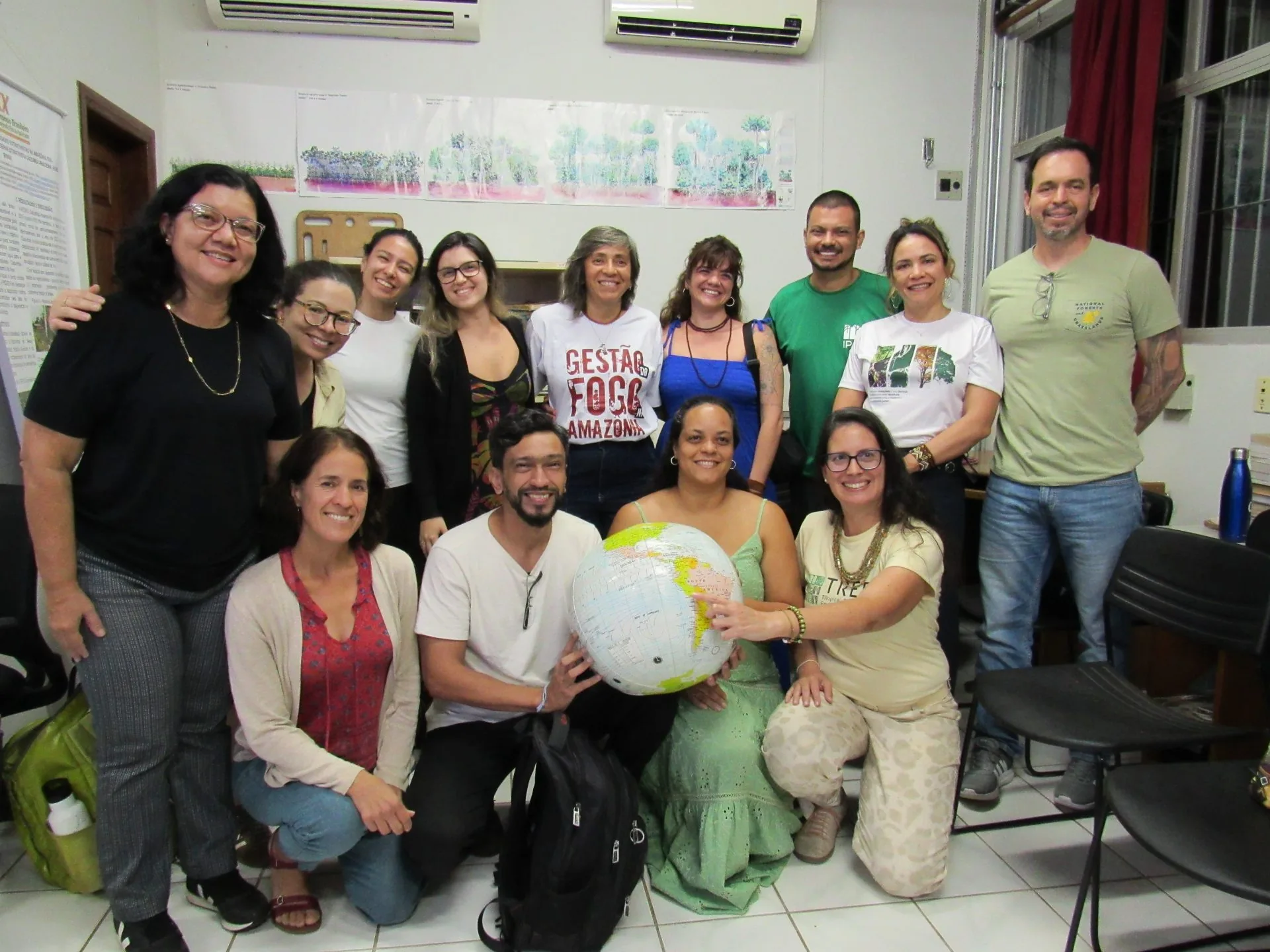
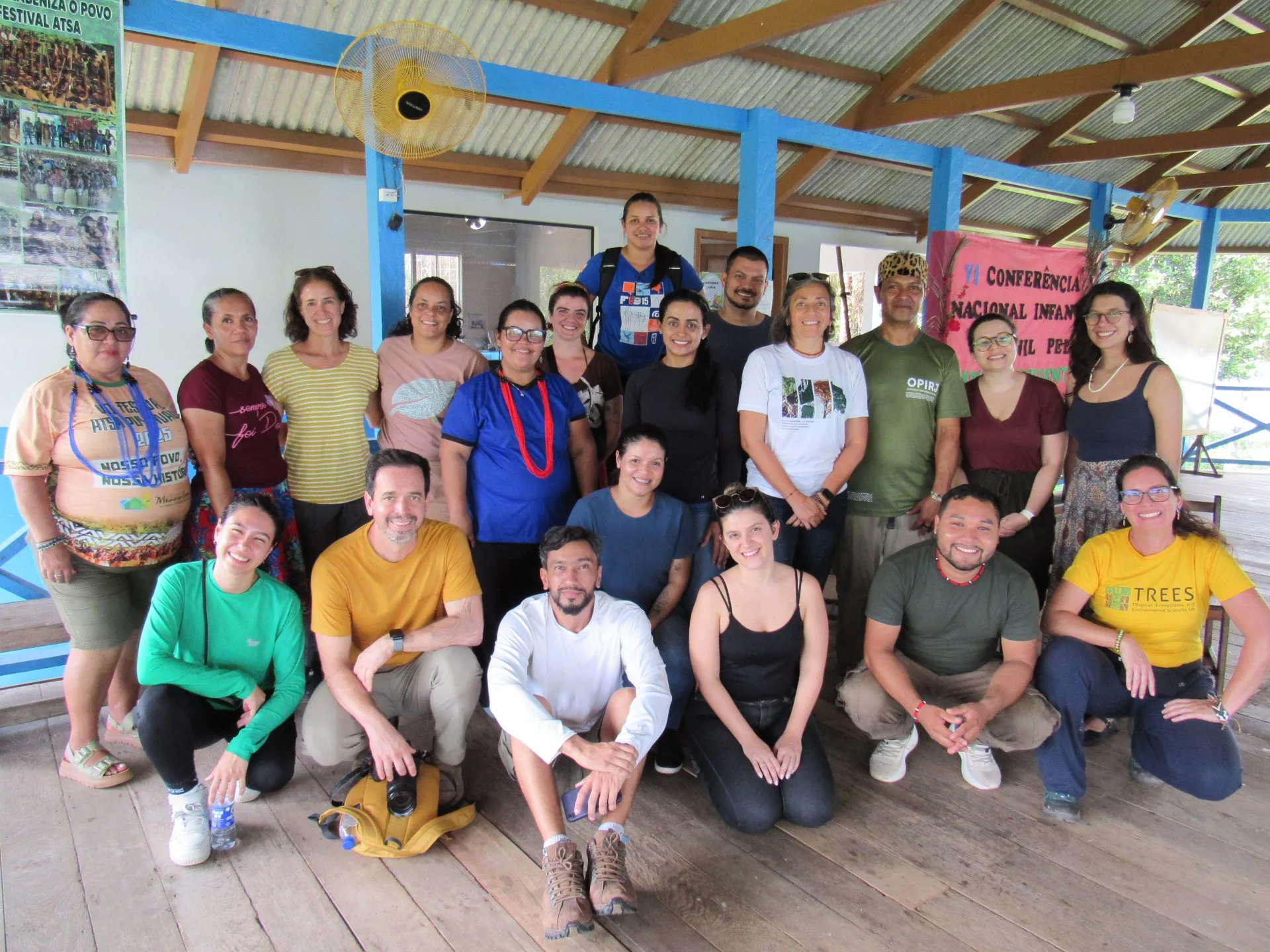
“The immersion was an incredible experience. Getting to know the different Amazons is crucial for anyone who covers the forest – and the trip was a unique opportunity to delve into details and specificities that would require many trips and interviews with experts and Amazonians to gather. The immersion compressed all this into an intense and very rich experience, and it really is a gift to have had such a unique opportunity. I’m sure that my coverage of the Amazon will be much richer after this experience!” concludes Meghie Rodrigues, science journalist.
Cover photo: Visit to the Prevfogo headquarters in Sena Madureira (Photo: Bibiana Garrido/IPAM)