Suellen Nunes*
A new study on environmental regularization in southeastern Pará shows that although the CAR (Rural Environmental Registry) has made significant progress, the consolidation of regularization still depends on progress in the implementation of the PRA (Environmental Regularization Program).
The study “Challenges and opportunities for environmental regularization in the southeast of Pará, Amazonia, based on the perception of local actors” analysed more than 26,000 rural properties, combining spatial data, analysis of public policies and the perception of producers, technicians and managers.
Pará has stood out nationally in the implementation of Forest Code instruments, with initiatives such as PEAA (Programa Regulariza Pará, the Amazônia Agora State Plan) and the automation of CAR analysis. In the southeastern region of Pará, around 91% of the registrable area is already registered, indicating consistent progress in the environmental information base.
The survey shows that although producers recognize the need for the CAR and environmental legislation, their understanding of regularization instruments, such as the PRA, is still limited. This points to the need for communication and rural extension strategies aimed at implementation.
Kadosh Comunicação Visual
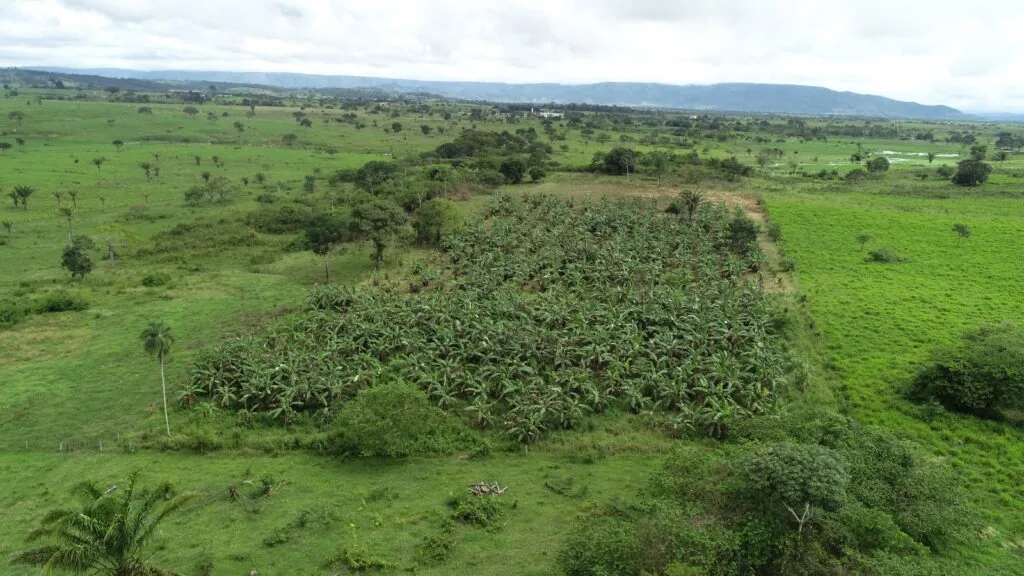
In addition, economic factors stand out as determining factors for adherence. Access to rural credit, market requirements and the economic viability of production activities are the main motivators for complying with environmental rules. On the other hand, the high costs associated with forest restoration still represent a barrier, especially for small producers.
Technical analysis and alignment of public policies
The study highlights the potential of strategies such as natural regeneration and the adoption of agroforestry systems, which can reduce costs and make regularization more economically viable. There is also a need to expand funding mechanisms and strengthen private sector engagement in the restoration agenda.
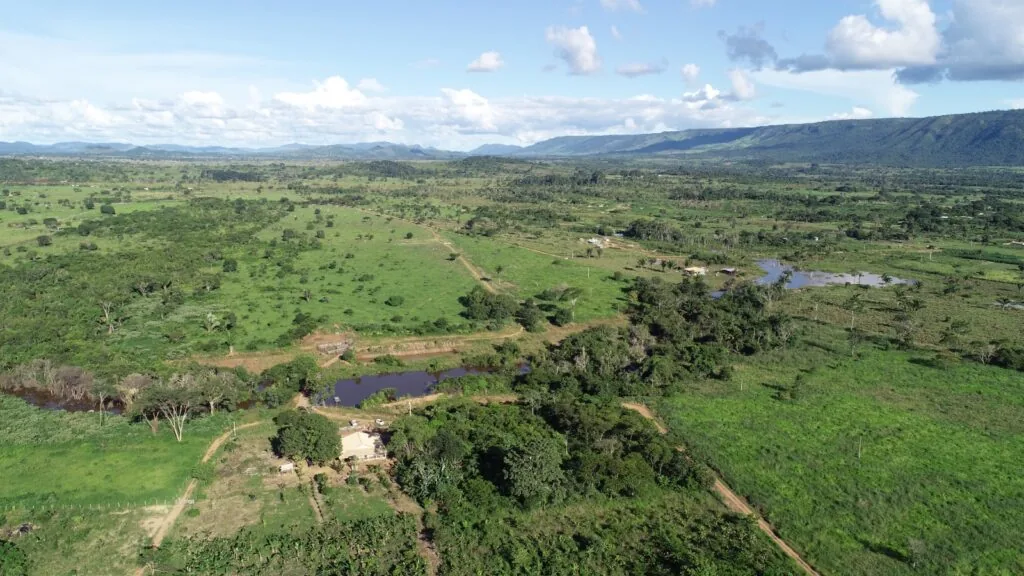
Another aspect is the role of governance and institutional capacity. The decentralization of environmental management, with a greater role for municipal environmental secretariats, can facilitate access to information and increase the engagement of producers.
Kadosh Comunicação Visual
For Hellen Kezia Almada, a researcher at IPAM and one of the authors of the study, the research sought to understand why, even after advances in the implementation of the law protecting native vegetation, known as the New Forest Code, environmental regularization still faces challenges in practice. “The results show that the advancement of this agenda depends more and more on the articulation between public policies, economic instruments, technical assistance and strategies adapted to local realities,” she concludes.
IPAM communications analyst*.